

Walking on the rocks at Stright Beach…

Walking on the rocks at Stright Beach…
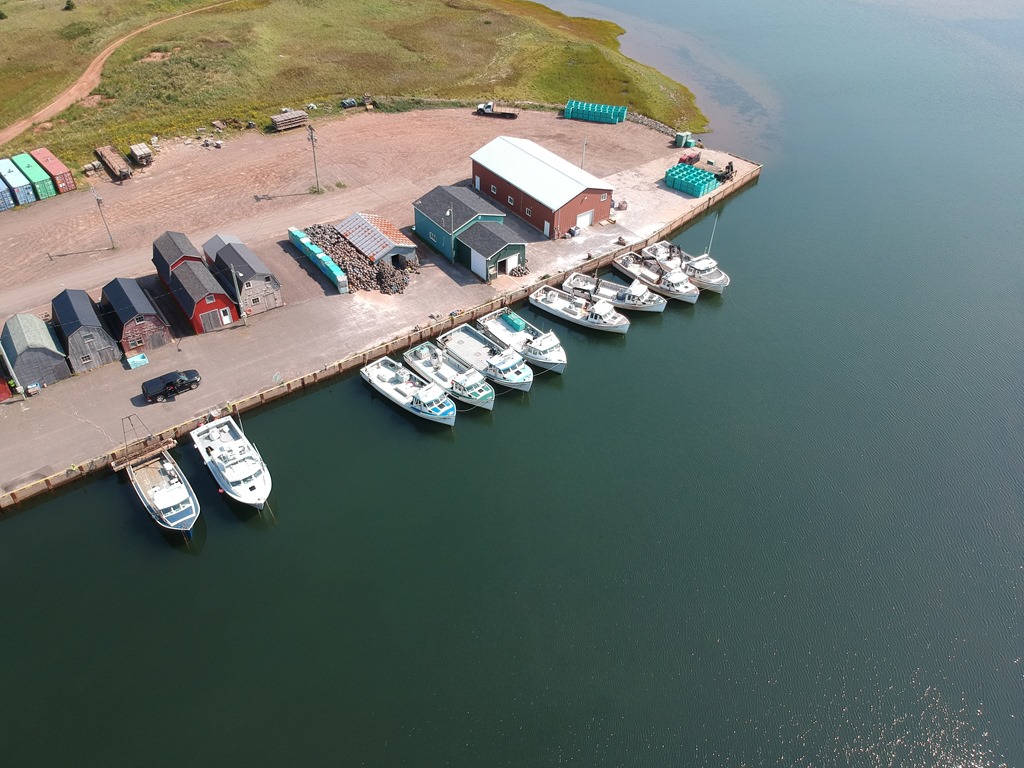
A drone’s eye view of fishing boats in Malpeque, PEI
The four boats to the far right are mussel boats. In the middle group of four boats, the one on right is also a mussel boat The boat to the far left is a scallop dragger.
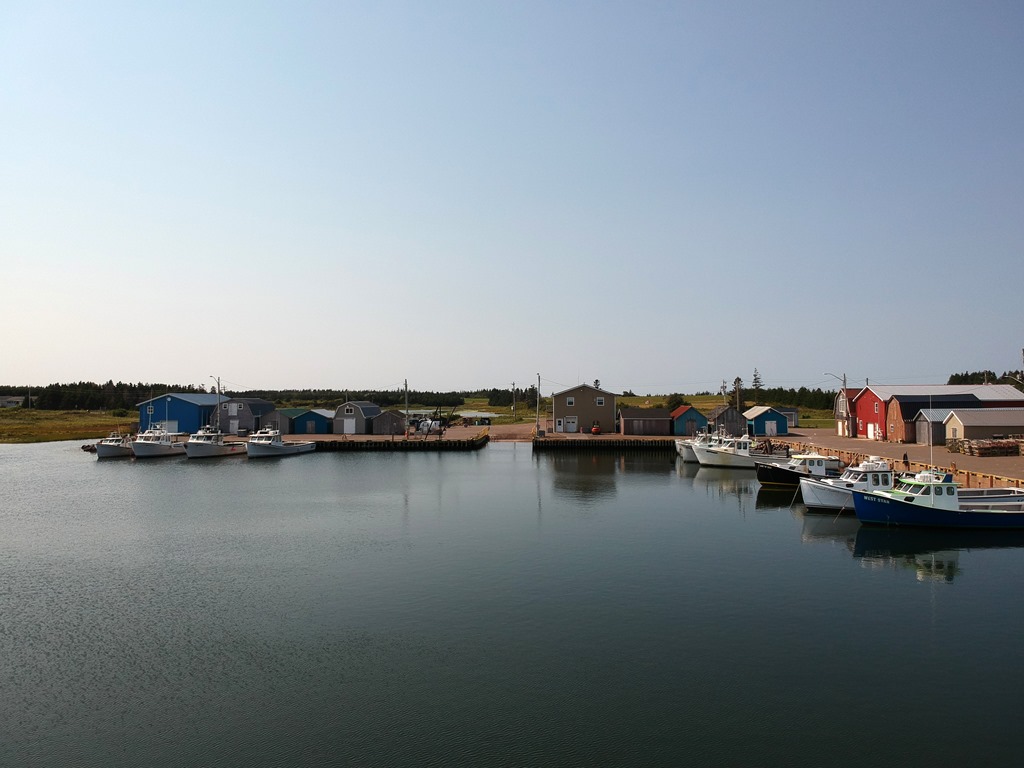
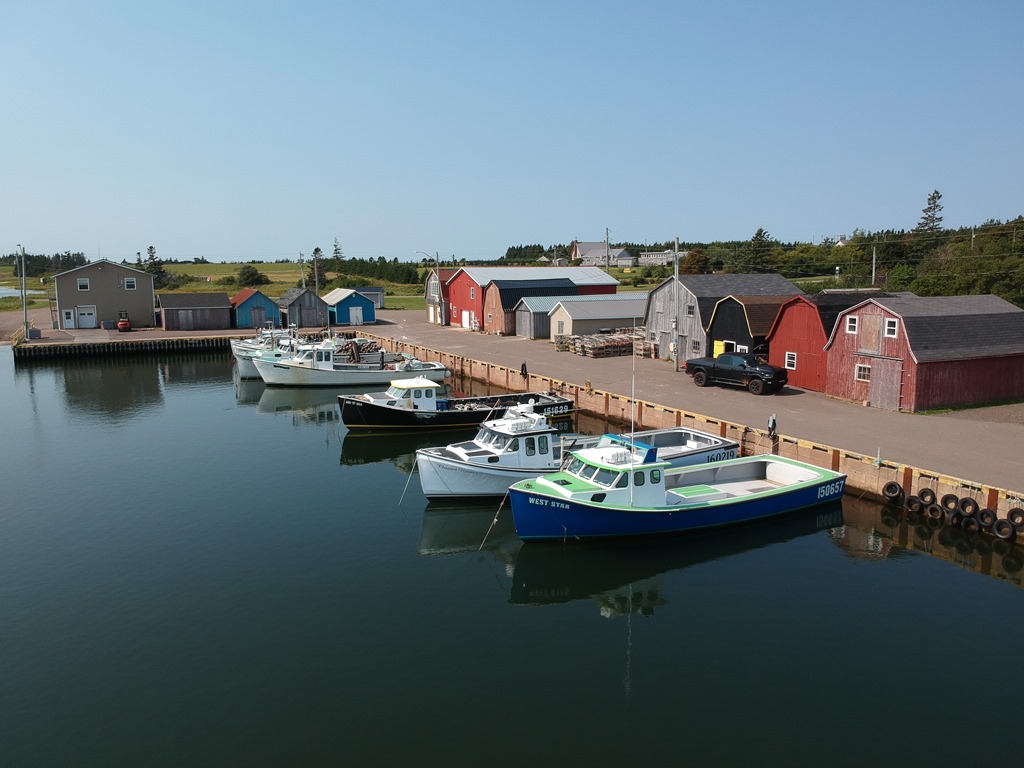
The fishing boats Air ‘N’ Sea, Channel Runner, and West Star in Malpeque, PEI

Murray Beach Provincial Park as viewed from a drone over Northumberland Strait

Murray Beach Provincial Park as viewed from a drone over Northumberland Strait

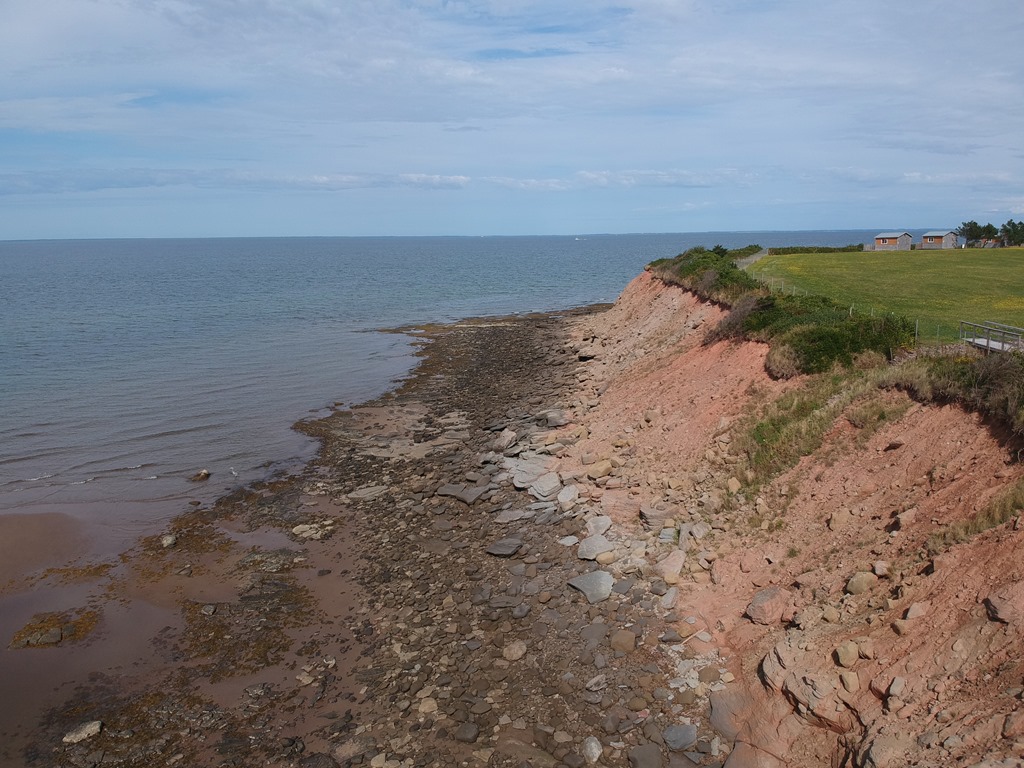
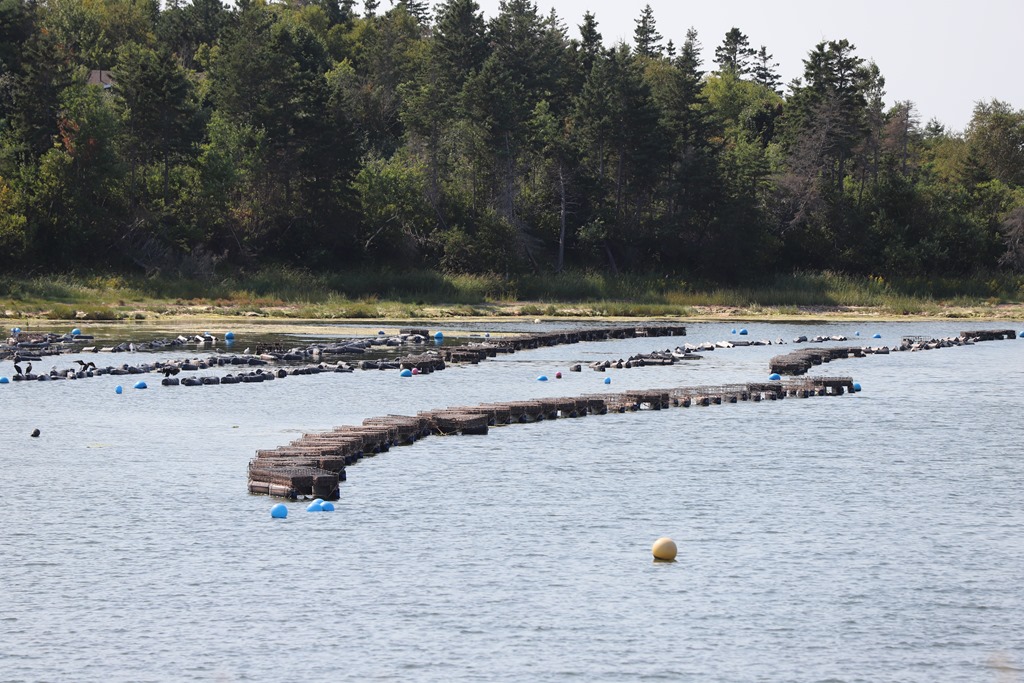
An oyster farm in New London, Prince Edward Island
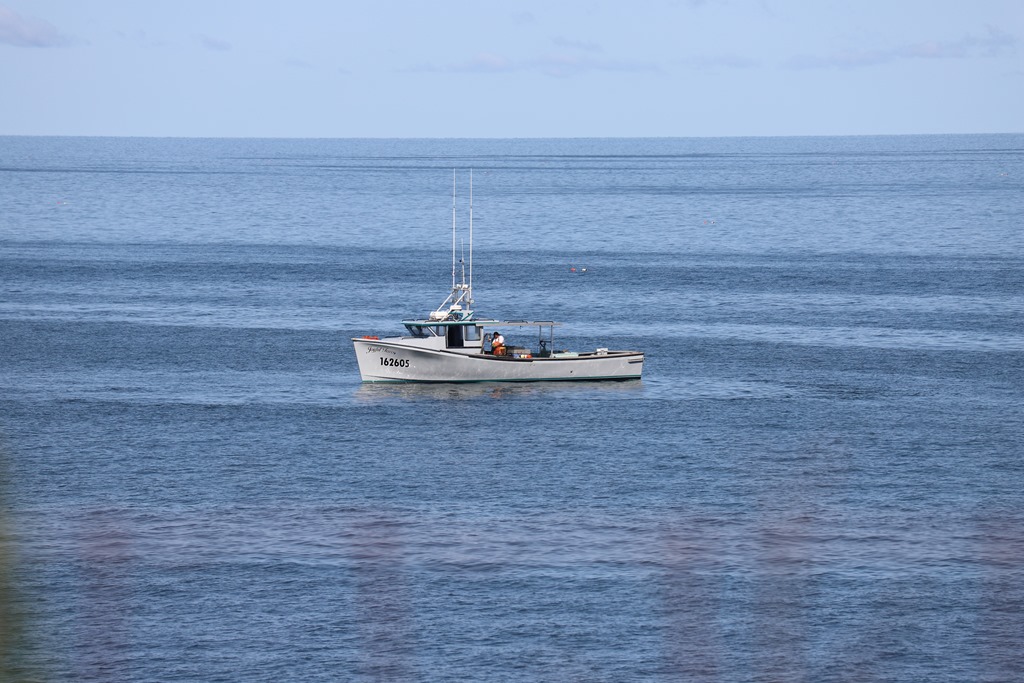
The fishing boat Joyful Tears off Linkletter Beach Provincial Park

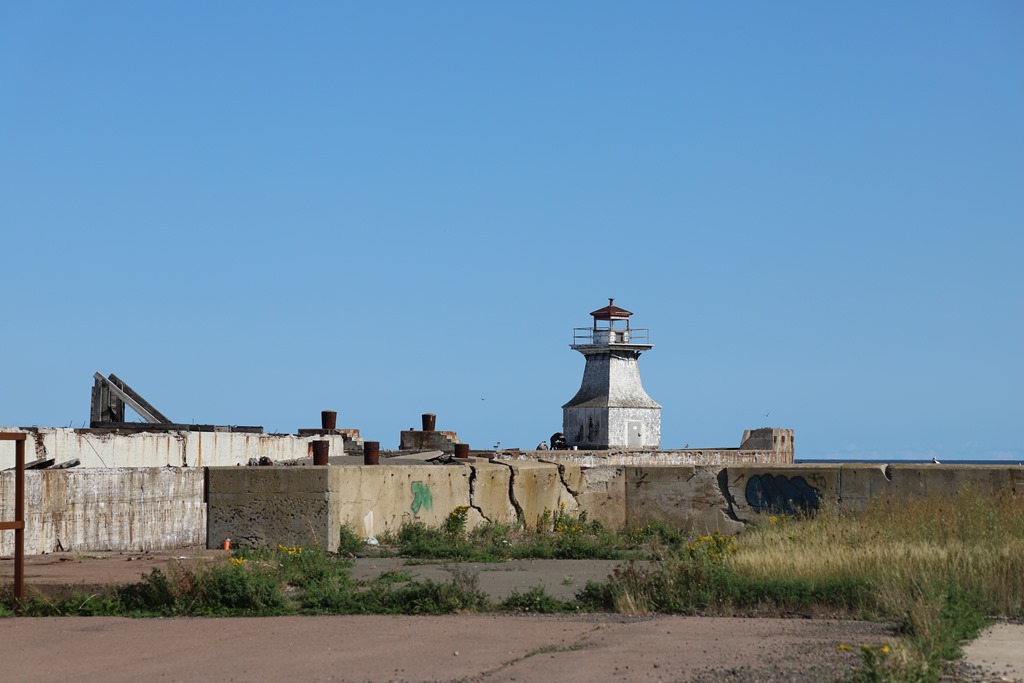
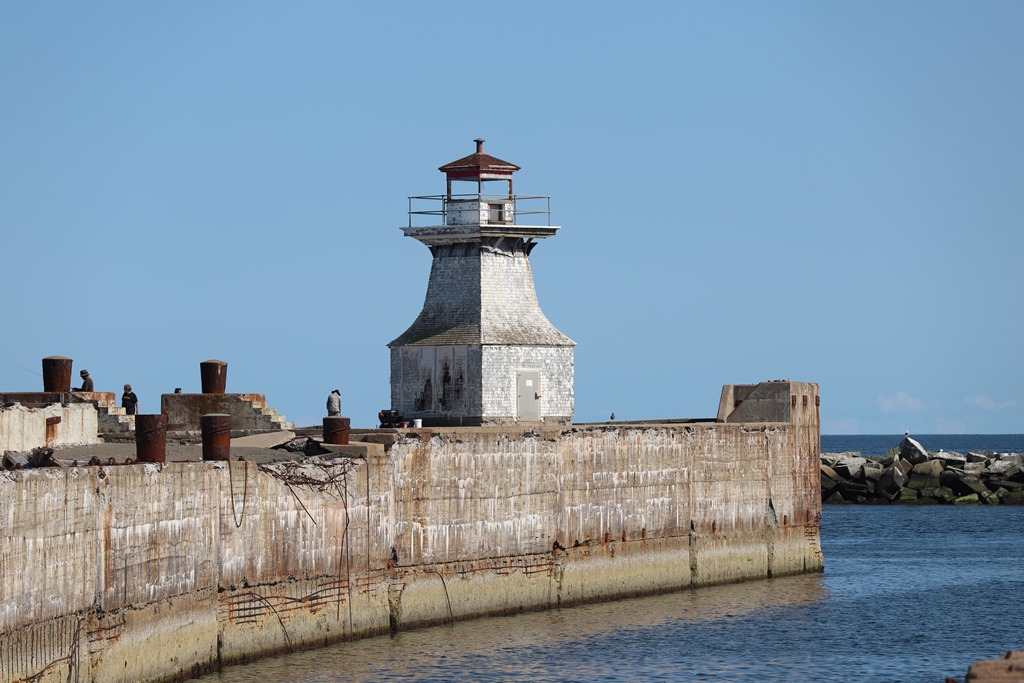
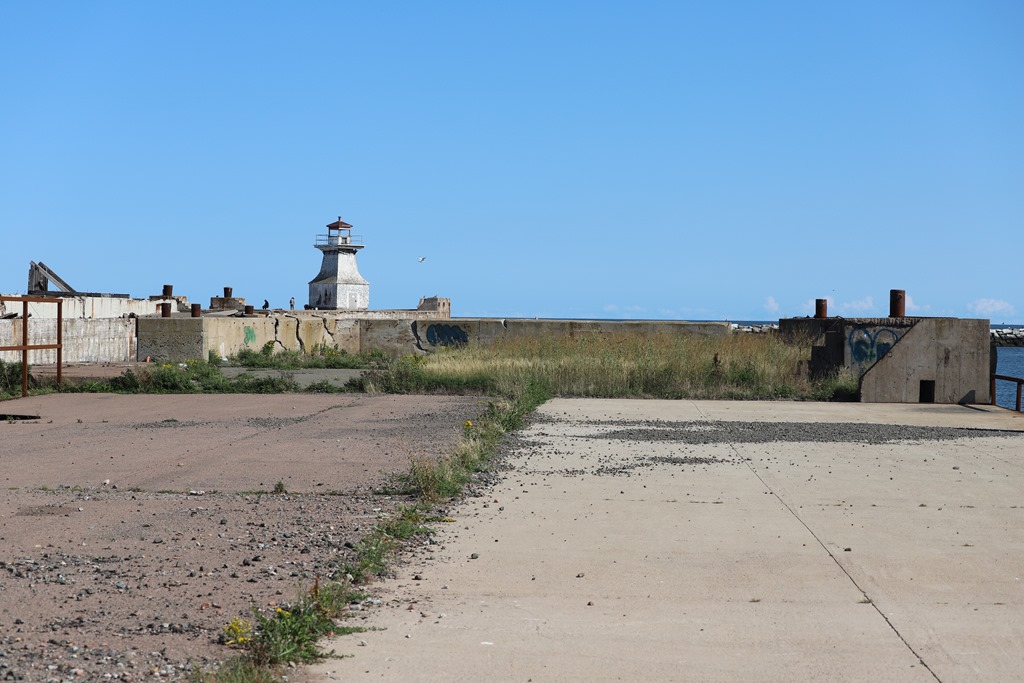
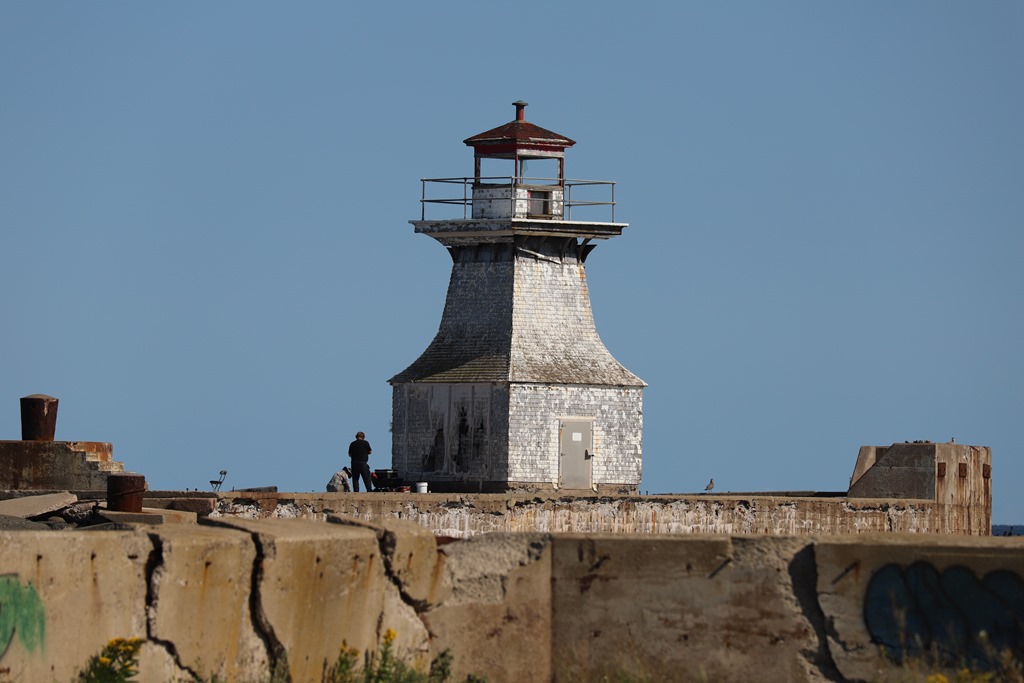
The outer wharf lighthouse at the former PEI ferry terminal in Cape Tormentine
The Cape Tormentine Outer Wharf Lighthouse was built in 1897 to assist steamer traffic to and from Prince Edward Island before being discontinued following the construction of the Confederation Bridge. The light was reactivated in 1998 at the request of local fishermen, and can be found at the end of the former Cape Tormentine ferry wharf.
Known as the “T-Bird”, the Lockheed T-33 started life in 1944 as America’s first operational jet fighter, the Lockheed F-80 Shooting Star. In 1948 a second cockpit was added to create the world’s first purpose-built jet trainer: the T-33.
Initially known as the P-80C, the trainer variant flew better than its single seat cousins. Powered by an Allison J33-35 single-shaft, turbojet engine with a thrust rating of 5,200 lbs, the improvements to the trainer meant it climbed faster, cruised better and overall was slightly faster than the fighter version. In May 1949, the designation for the aircraft was officially switched to T-33.
The RCAF’s first introduction to the aircraft followed two years later, when the first of twenty Lockheed built T-33As were delivered on loan. The aircraft were known to the RCAF was the Silver Star Mk 1. This first batch was followed by a second loan of ten more aircraft.
Canadair of Cartierville, Quebec won the contract to build the RCAF version of the T-33, On 13 September 1951, Canadair signed a license agreement with Lockheed to build T-33 aircraft for the RCAF, and the first “CT-133 Silver Star” rolled out in 1953. The Canadair built version known internally as the CL-30 (and as the T-33ANX by Lockheed and the USAF) was powered by a Rolls Royce Nene 10 engine supplied by Orenda Ltd.

RCAF Silver Star 21435
Once in production, the aircraft were designated T-33 Silver Star Mk 3 by the RCAF. Variations included versions for armament training (AT), photo-reconnaissance (PR) and pilot training (PT). Eventually, a total of 656 aircraft would be delivered to the RCAF between 1952 and 1959. The CT-133 Silver Star with its Canadian-built Rolls-Royce Nene engine was 50 mph faster than the American version.

Silver Star 21435 is painted to represent the colours of the ‘Red Knight,’ a solo aerobatic pilot who performed from 1959-1968. The aircraft was not a Red Knight, but served with VU 33 Squadron on Vancouver Island.
When replaced as a trainer by the Canadair CL-41 Tutor in 1963, the CT-133 continued service in radio, electronic warfare, reconnaissance and navigation training roles until officially retired in 1995. Two Silver Stars remained in service with the Engineering Test Establishment at Cold Lake, Alberta, until July 2005, making the CT-133 the longest serving aircraft in the Canadian Forces., with over 50 years of service and 2.4 million flight hours.

Canadian National (CN) rail yard in the south end of Halifax