

Bull kelp aka sea onions, at Botanical Beach
Bull kelp aka sea onions, at Botanical Beach
In 1903 the Chinese Consolidated Benevolent Association purchased 3.5 acres of land at Harling Point and established the Chinese Cemetery. The cemetery was traditionally used as a temporary repose before final interment in China, a pattern which reflected the desires of early immigrants to return to their homeland.

Looking out over the Juan de Fuca Strait towards the Olympic Mountains.
After the Sino-Japanese war broke out in 1937, it was no longer possible to ship remains back to China. In 1961, bones of 849 Chinese pioneers whose return to China had been blocked since 1937 were finally laid to rest at Harling Point.
While burials on the site ended in 1961, the Chinese Consolidated Benevolent Association continues to own and maintain the site. In 1994 the Chinese Cemetery at Harling Point was designated a National Historic Site by the Government of Canada.

A view of the Olympics and Juan de Fuca Strait at Harling Point, Oak Bay.
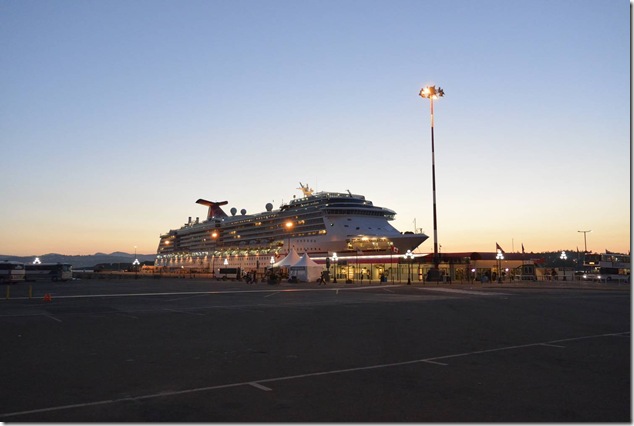
The Carnival Miracle at Ogden Point
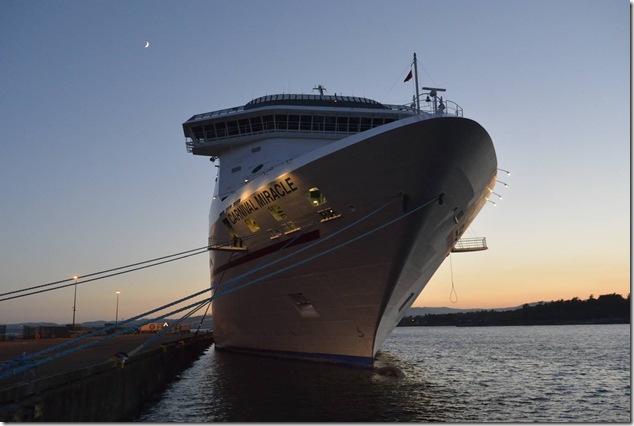
The Carnival Miracle is a Spirit class cruise ship:
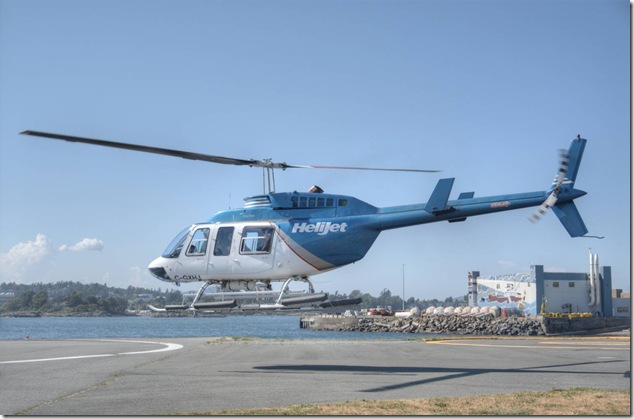
Helijet Bell 206L-1 at Ogden Point.

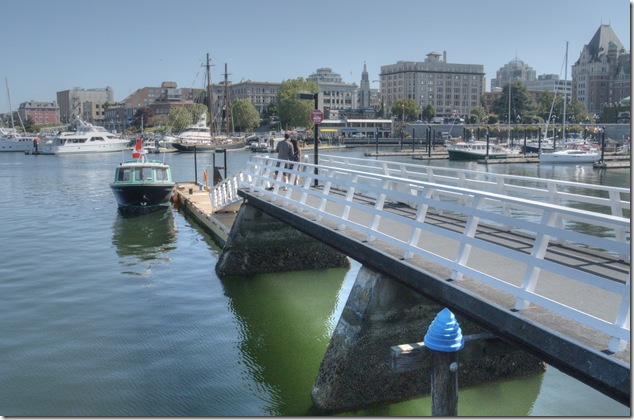
The Undersea Gardens used to be at the end of this jetty
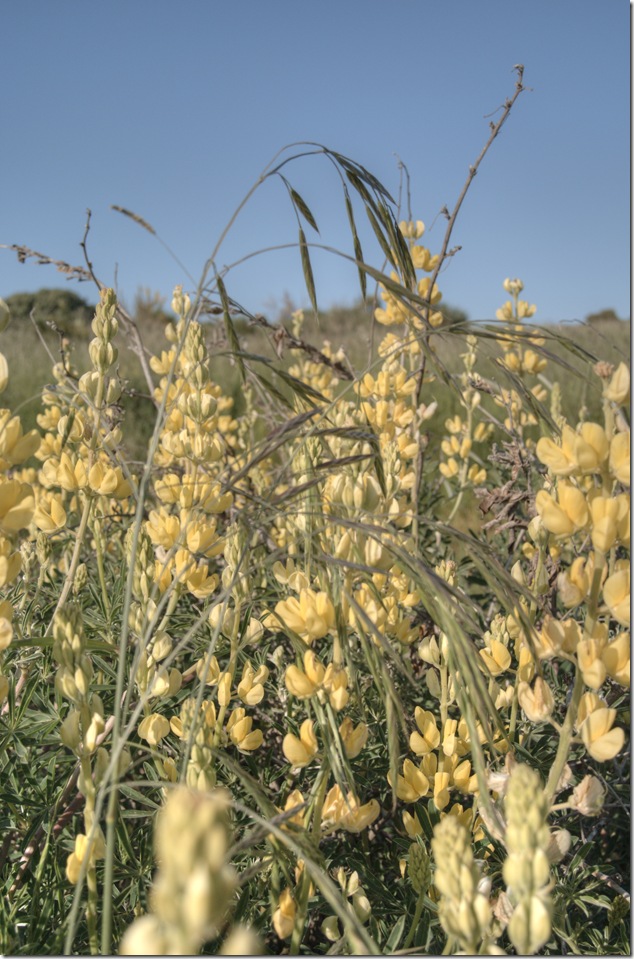
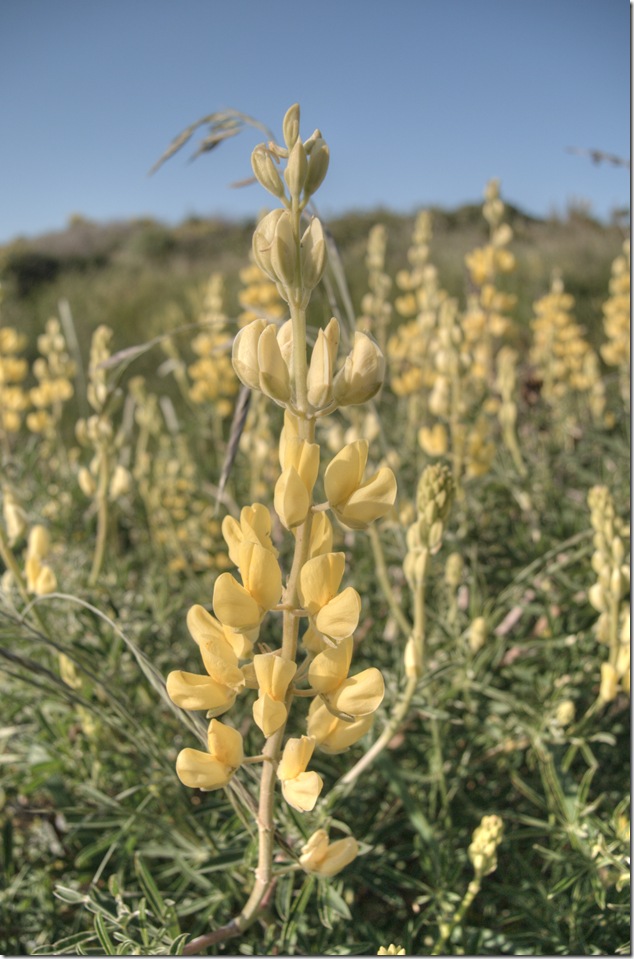
Yellow flowers in the fields at Macaulay Point Park
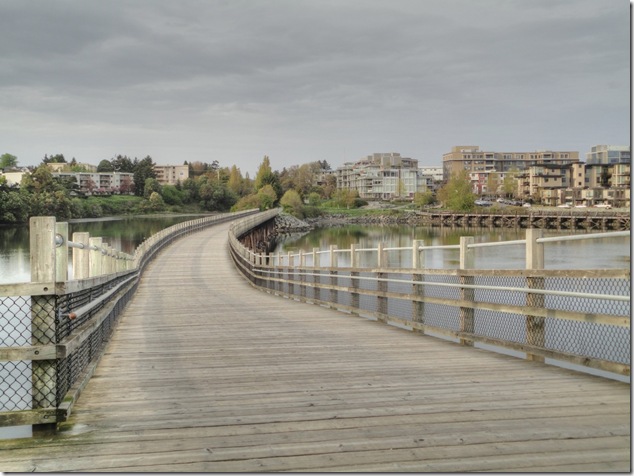
Selkirk Water extends northwest from the Point Ellice Bridge to Chapman Point. The Galloping Goose Regional Trail traverses Selkirk Water on a bridge known as the Selkirk Trestle that was originally built by the Canadian National Railway. The 300-metre long Selkirk Trestle is constructed of fir and hemlock.

Interestingly, the trestle can be raised in the middle to allow tall ships to pass. Tall boats only request passage under then Selkirk Trestle a couple of times each year, but the bridge must accommodate these requests under federal regulation. When the call comes in, two CRD staff are called in to raise the plank by hand.
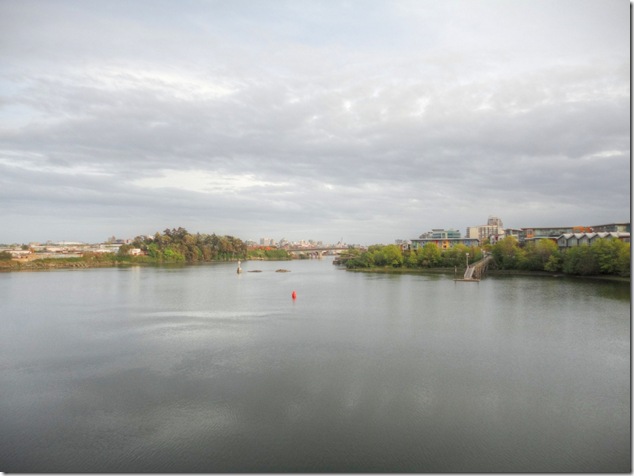
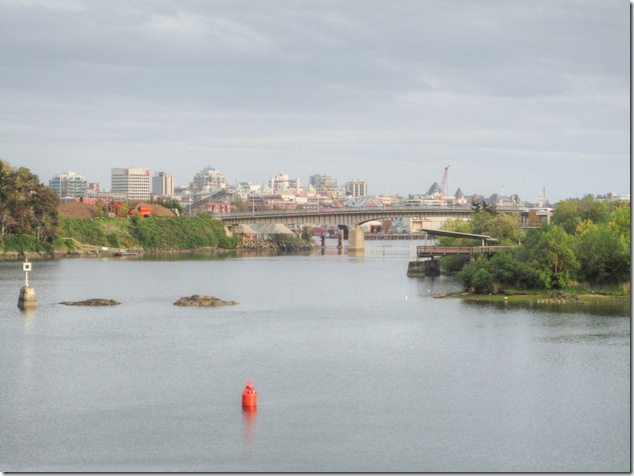
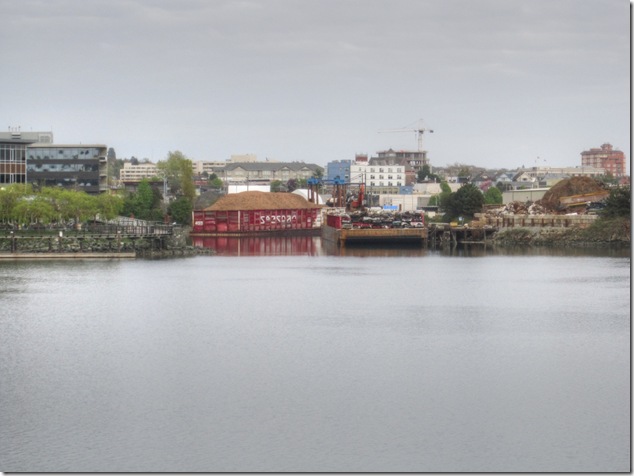
Victoria is pushing ahead with bylaw changes to prohibit overnight anchoring in the Gorge Waterway despite some councillors’ concerns that the move will eliminate recreational boating options. The city has been working to find a way to deal with about a dozen boats, some derelict, anchored just northwest of the Selkirk Trestle off Banfield Park.
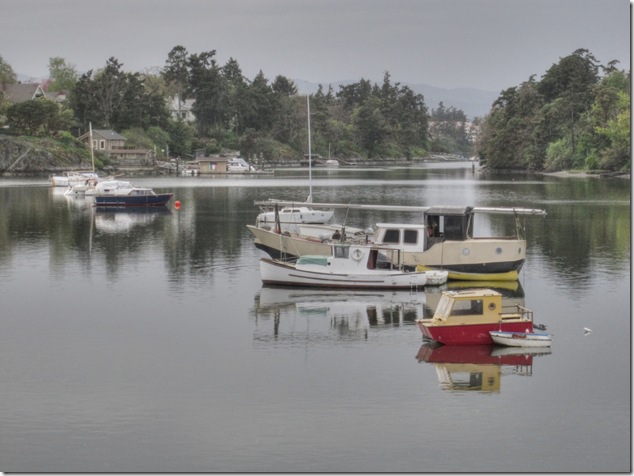
The Gorge has multi-hulled boats tied to older pleasure boats and retired fishing boats. Many of the derelict boats are unoccupied, covered in tarps, held together with plywood and are littered with junk. Weeds hang from the mooring lines.
Richard Hartwick, 58, lives on a 40-foot sailboat anchored off Banfield Park when he’s not working in Alberta. He’s one of people who will be affected by the proposed Victoria bylaw. “I liked the life when there were only a few people here,” said Hartwick in an interview aboard his boat. “All the people down at that (south) end are into drugs and stealing and stuff.”
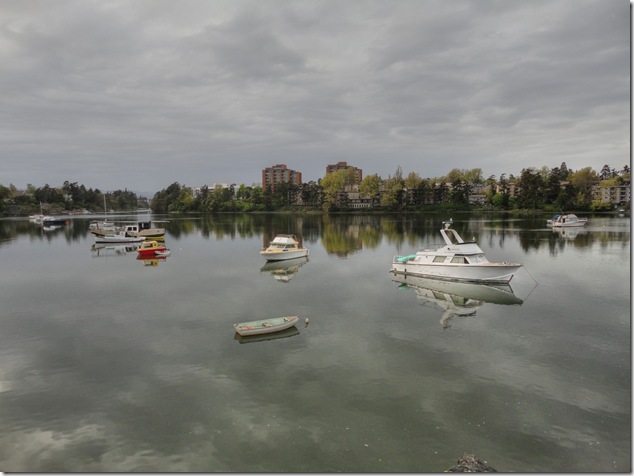
Victoria council is pushing ahead with the bylaw after residents complained about derelict boats, dumping of sewage and noise. Although Hartwick’s boat has sewage holding tanks other residents who don’t have tanks for sewage are using the Gorge as a toilet. Hartwick urges the city to ban boats that don’t have running engines or holding tanks. “We should keep nice boats here,” he said.

A few classic cars at Mount Washington – Sunday 14 July 2014
