
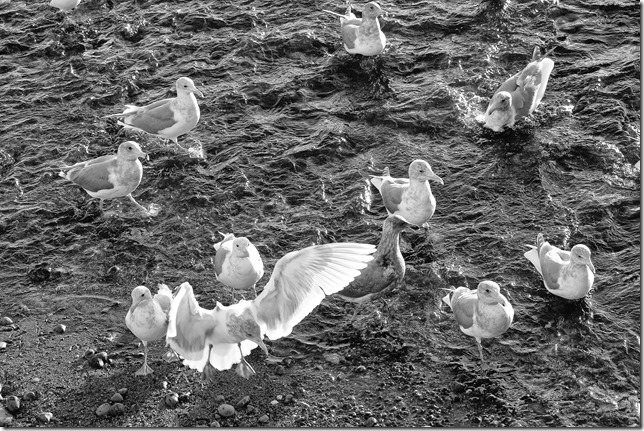
Seagulls at Point Holmes
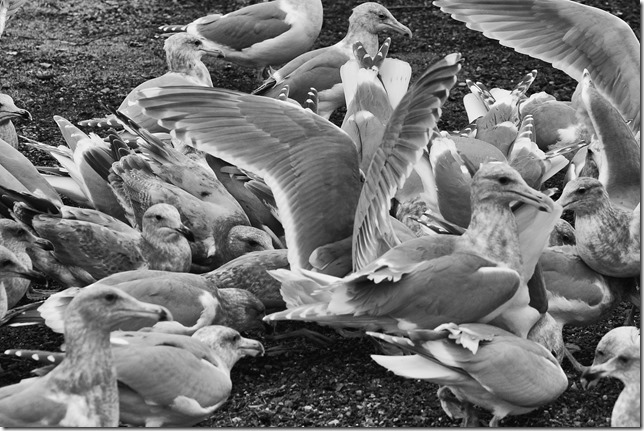
I love black and white – it’s a powerful medium that is highly technical, incredibly artistic, and capable of shaping how we perceive people, the world, and moments in time that may or may not have happened as portrayed.
Seagulls at Point Holmes
I love black and white – it’s a powerful medium that is highly technical, incredibly artistic, and capable of shaping how we perceive people, the world, and moments in time that may or may not have happened as portrayed.
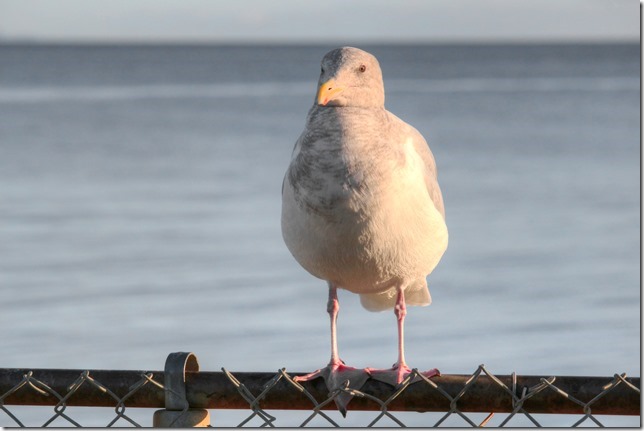
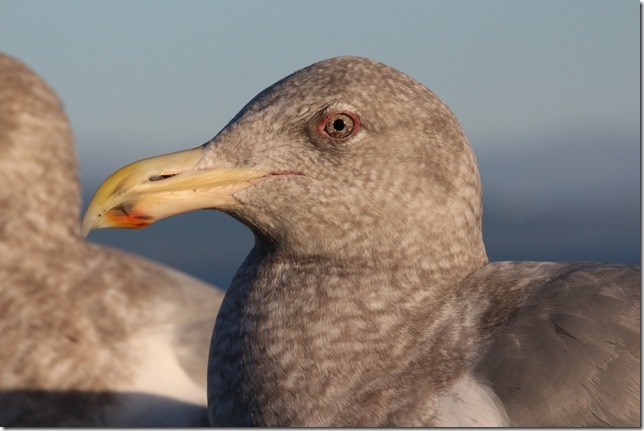
A seagull at Point Holmes
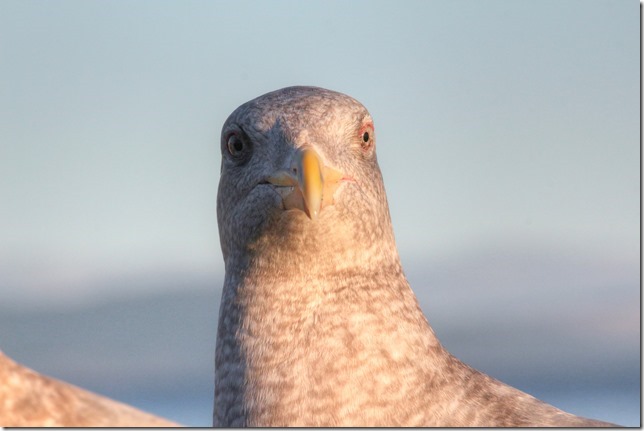
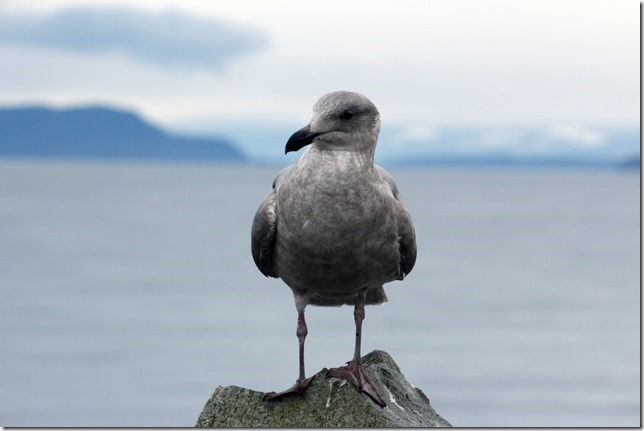
If you stop to watch seagulls you’ll notice that besides being loud and somewhat bossy, they all have a unique appearance and a range of expressions that are quizzical, comical, and sometimes quite serious and angry.
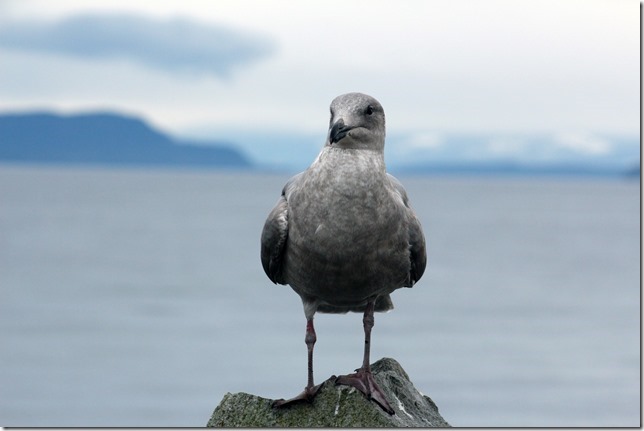
A seagull at Point Holmes

C-FXFT and C-FMGM, Heliqwest Aviation 1994 Kaman K-1200 helicopters

C-FXFT at the Courtenay Air Park

C-FMGM at the Courtenay Air Park

C-FFXH, a 2005 Robinson R44 II at the Courtenay Air Park


A snowy day near km 2 on Comox Lake Logging road
I shot this image while sitting in my car trying to warm up after shooting some video of the Courtenay Fire Department collecting Christmas trees for chipping and mulching.

The images above and below are identical, both covering 360°, but the image below is presented as an interactive Virtual Reality (VR) image hosted on Flickr.

You might have to click on the image above to activate it…

The same image can also be displayed in interesting was as a spherical image

And as a modern version of an old school 180° fisheye image
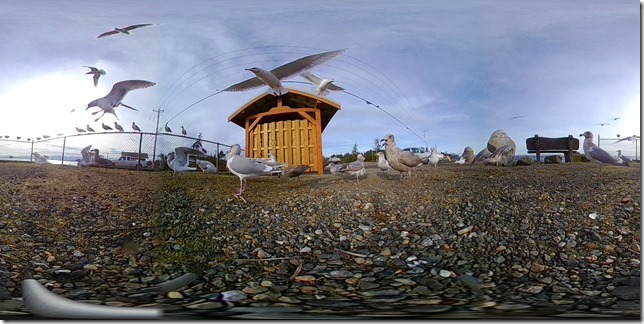
Above, this image of seagulls looks like a normal panoramic image shot with a camera or a cellphone. Looking closer, the curvature of straight lines and the blur at the bottom are a give away that this was shot with a 360° camera – in this case, a Safari 360.
Below, the image straight out of the camera – two 180° fisheye images that the camera software will assemble into the spherical (Equirectangular) panoramic image above.
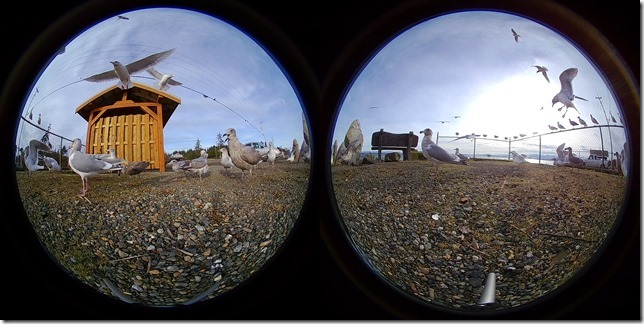
If you look at the images, you can see some parts of the legs of the little tripod that I used to position the camera off of the ground. That’s “some parts” and not all parts, as the construction of the camera creates a rectangular blind spot beneath it. Although it’s just a bit of tripod, it’s annoying as I don’t want to have the tripod included in my 360° images. Worse yet, the finished images are blurry at the bottom (and top) as the camera software can’t fully correct for the distortion caused by the use of spherical lenses – but what the heck – I have Photoshop and can fix some of this.

Before and after a bit of Photoshop-fu

A bit of fun watching seagulls at Point Holmes
I shot this 360° still image with a 360° camera, and then used the camera software to convert the image into a jpeg file that can be displayed on Facebook or Flickr. It’s quicker to upload the image to Facebook, but a huge pain to embed it on a WordPress or Drupal blog – Flickr takes longer to process the file as an interactive VR image, but makes it really easy to embed it.
It’s pretty much the same story with the 360° video of the same scene with my friends the seagulls – use the camera software to convert it from a native .mov format into a web friendly .mp4 that can be displayed on Facebook or Youtube. As with the still image, it’s much quicker to upload the image to Facebook, but a huge pain to embed it whereas Youtube makes it really easy to embed it.
I like to know what the history of things that I’m looking at so I did some research into the Clayburn, and Kilgard bricks that are scattered on the shore of Nanoose Bay at the site where the Red Gap sawmill once stood.
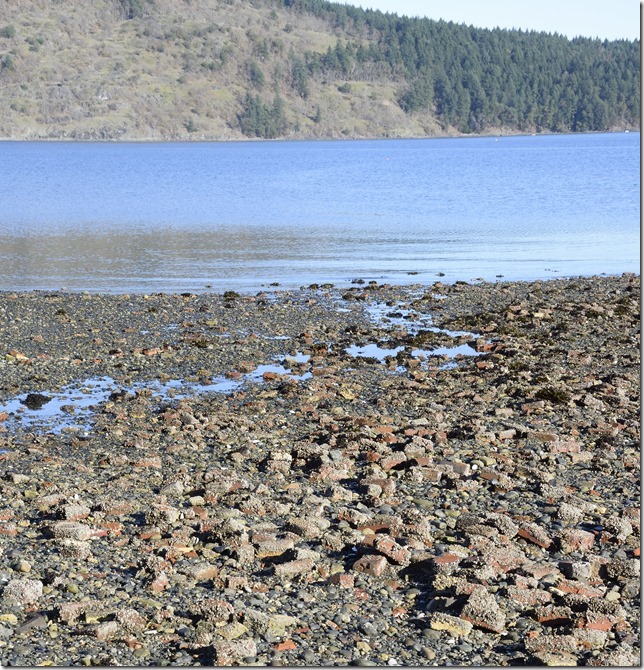
In 1905 John Charles MacClure founded the Vancouver Fireclay Company Ltd. and established a brickworks in the newly created village of Clayburn, forty miles east of Vancouver. In 1909 the firm’s name was changed to Clayburn Company (which had also been adopted as the brand name of one of the firm’s major lines of brick).
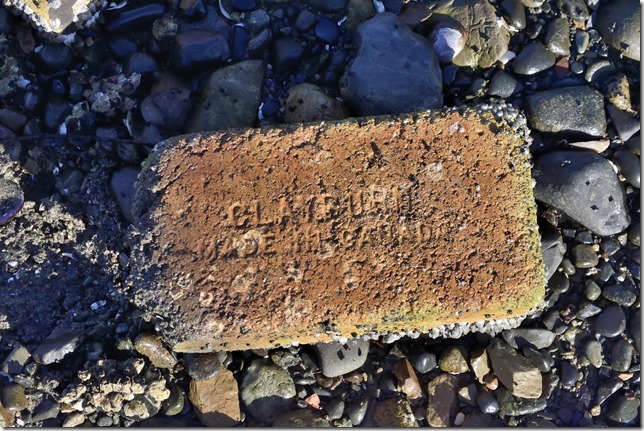
After a period of expansion Clayburn purchased its nearby rival, Kilgard Fireclay Company, in 1918. Dual operations continued at both the Clayburn plant, which specialized in brick, and the Kilgard plant, which specialized in clay tiles and pipe, until 1930 when the plant at Clayburn was abandoned and the Kilgard plant was enlarged to accommodate brick manufacturing.
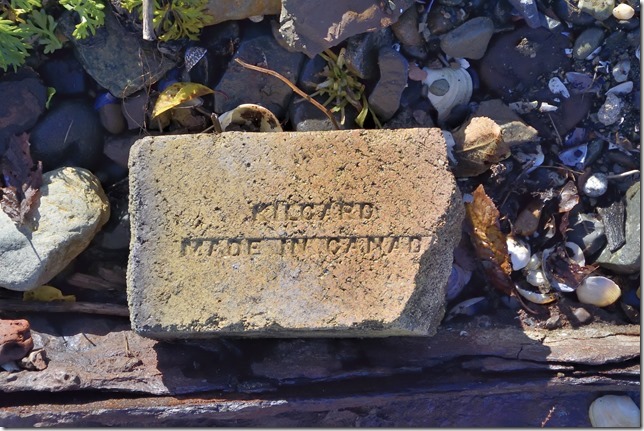
And there’s the story of the bricks on the beach in Nanoose where the Red Gap sawmill was