

A few minutes walking along the waters edge at Big Beach in Ucluelet…
A few minutes walking along the waters edge at Big Beach in Ucluelet…
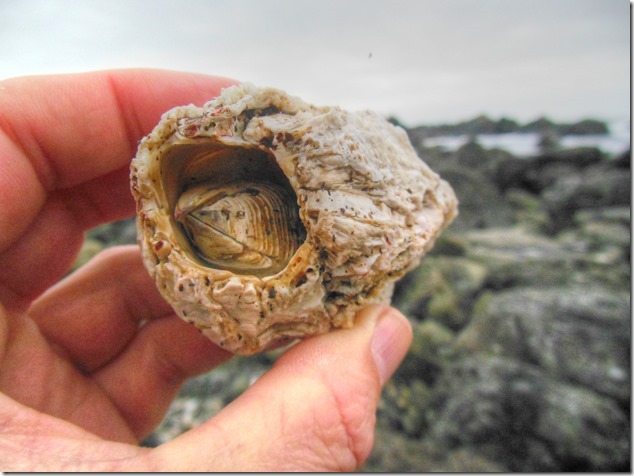
A rather large barnacle at Big Beach, Ucluelet
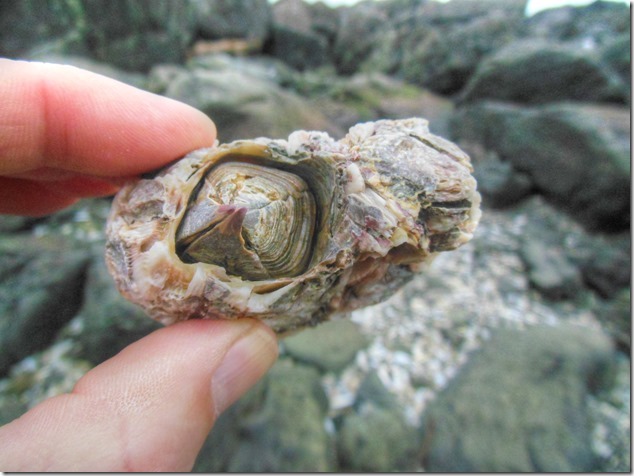
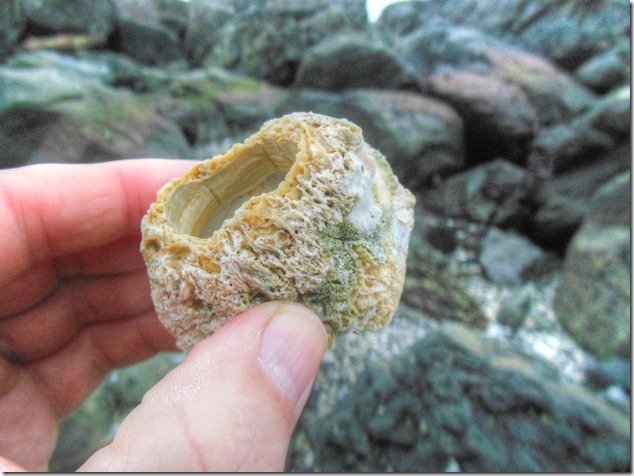

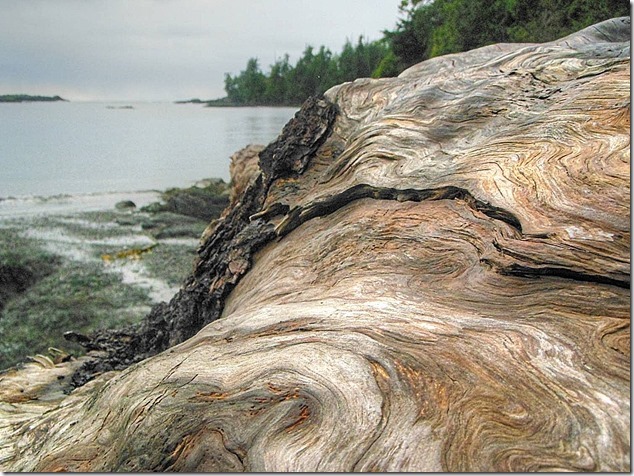
Waves and wood – a most marvelous combination at Little Beach, Ucluelet
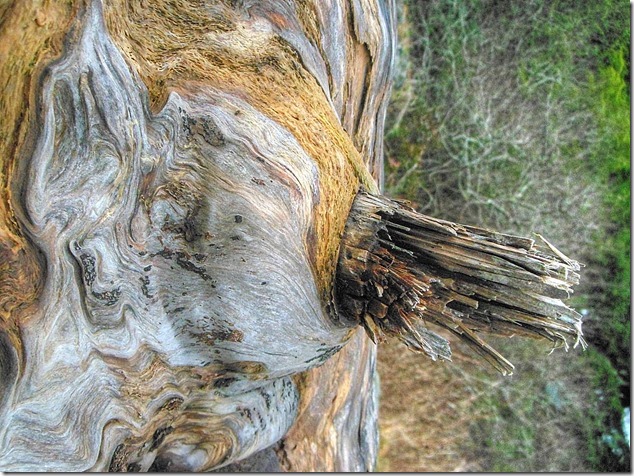
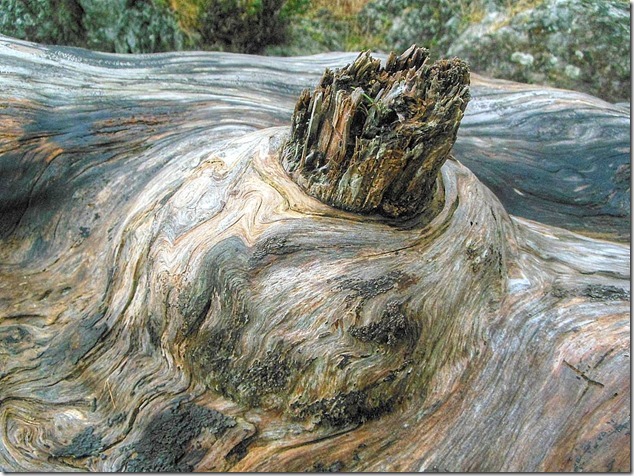
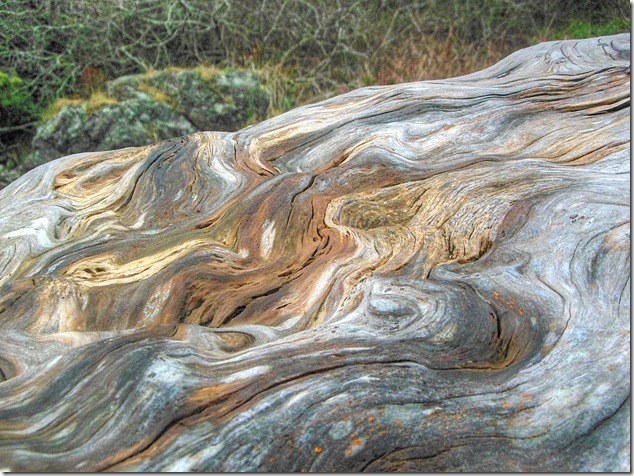
A walk on the beach, and the stuff that one finds on the beach…
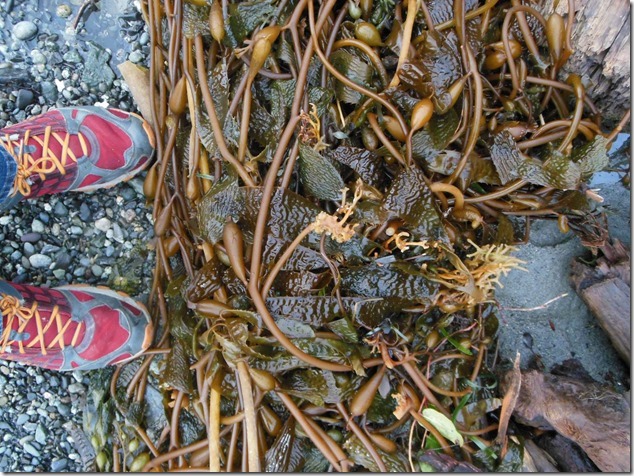
Big Beach – Ucluelet
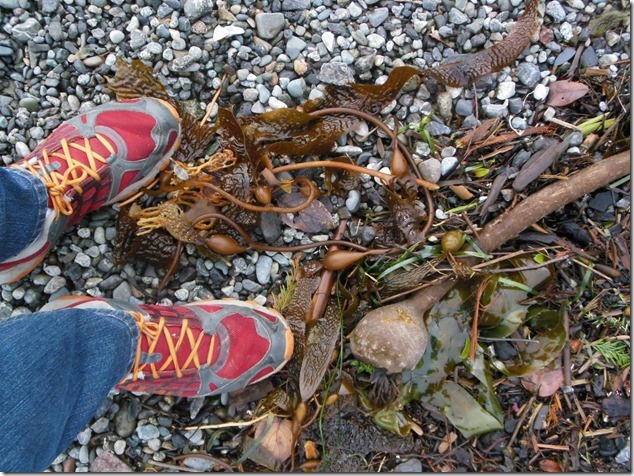
The floats of bull kelp are fun to jump on – the popping sound can be quite loud, and sometimes wet and rather smelly.
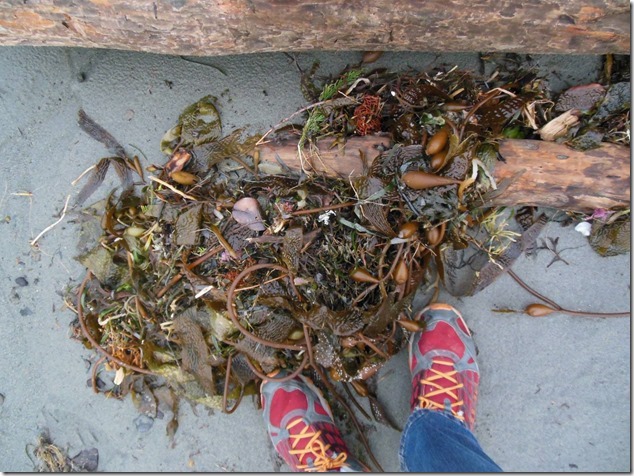
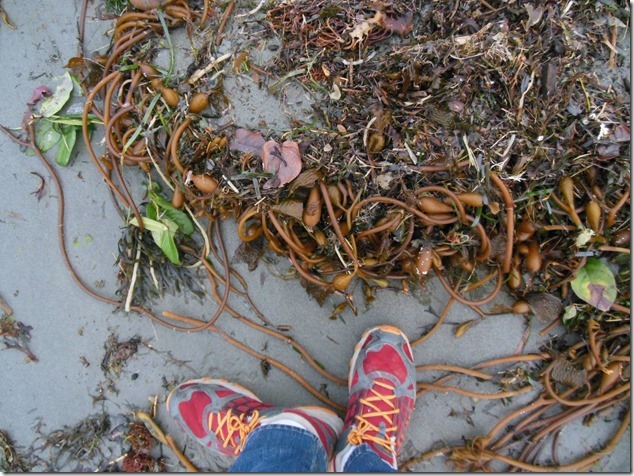
I never tire of looking at mounds of seaweed – partly because of the chaotic beauty, but also because seaweed tends to capture little bits and pieces of interesting stuff.
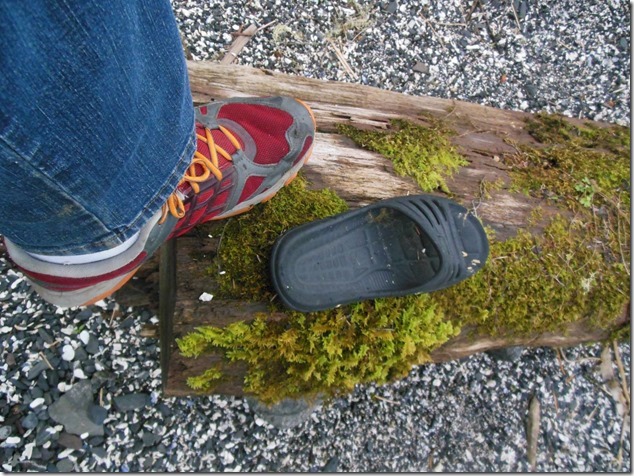
This was interesting as on the way to Ucluelet you drive past Lost Shoe 1 Creek and Lost Shoe 2 Creek.
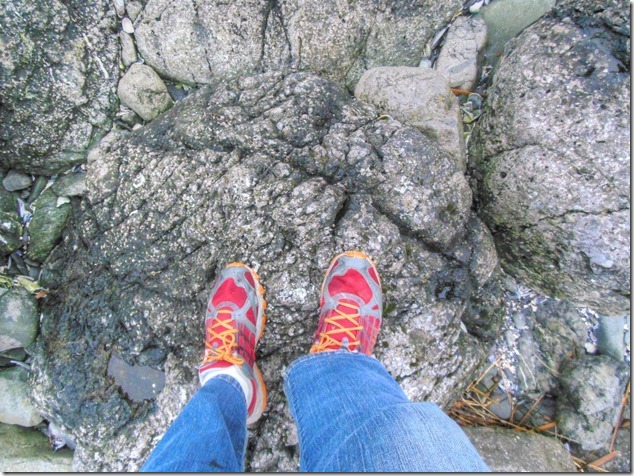
And the rocks – the rocks tell a story of how the coast line was formed, and why it has shaped the way that it now is.

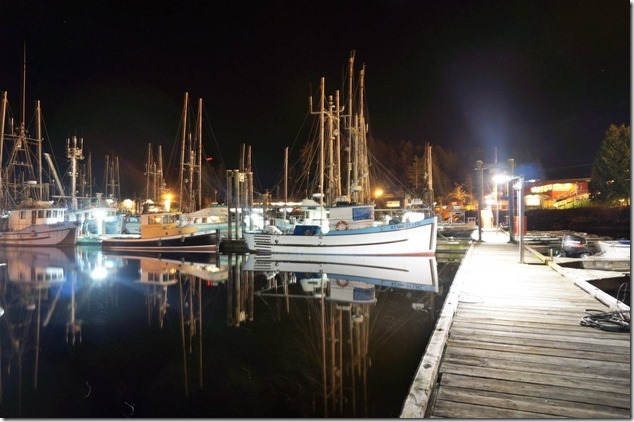
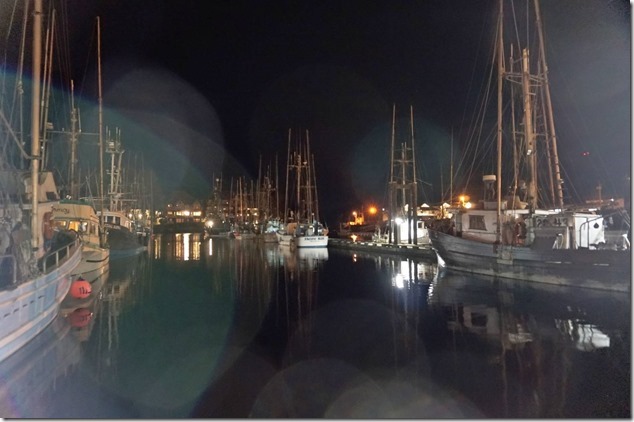
Ucluelet harbour on a calm and dry night


Named for the celebrated Canadian Dominion Hydrographer, William J. Stewart, operated on the British Columbia coast collecting data needed to create new marine charts. Her size was close to the maximum allowable to pass through the canals and locks along the St. Lawrence River.
After commissioning, she travelled by way of the Great Lakes and St. Lawrence River, and the Panama Canal to arrive at Victoria, British Columbia in July 1932.
She was designed for oil fired boilers which were changed to coal to satisfy local coal mining interests on the BC coast but the boilers were converted to oil firing in 1958 after the coal mines closed.

The Canadian Princess in Ucluelet harbour

On June 11, 1944 the Stewart hit Ripple Rock in Seymour Narrows, and was run aground three miles away in Plumper Bay to avoid sinking. She was given a 40 degree list by the tide and lay imbedded on her side in the mud necessitating that she be put on an even keel before any attempt could be made to re-float her. Damage included a major rip in the bottom of the ship and extensive damage to the ship’s interior due to the beaching. The re-floating operation took almost a month and was one of the most difficult undertaken by marine salvagers.
The Stewart was towed to Victoria for repairs, and was ready for the 1945 field season. Her last hydrographic surveying mission was at Ucluelet in Barkley Sound in 1975, but the survey was terminated due to lack of funds. Stewart arrived back in Victoria on September 20, 1975, and was mothballed while awaiting disposal.
In 1979 she was purchased by the Oak Bay Marine Group of Victoria, renamed as the Canadian Princess and refurbished as a hotel ship. She was then towed to Ucluelet harbour where she now operates as a floating hotel and salmon fishing resort.
and now you know…

The Ucluelet Aquarium at night
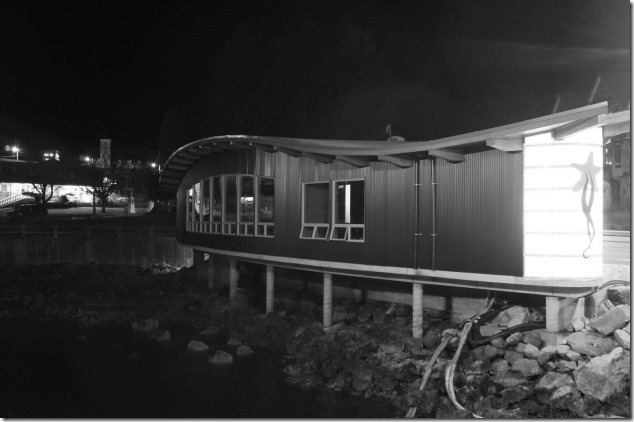
Shooting images at night can be problematic due to the colour temperature of industrial and street lighting that clashes with the lights on buildings such as the Ucluelet Aquarium.
The answer is often to shoot in black and white…
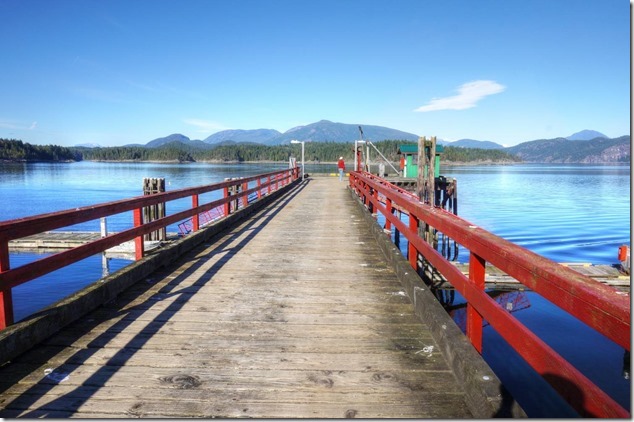
Government wharf at Squirrel Cove – Cortes Island

[fbalbum url=”https://www.facebook.com/media/set/?set=a.293838837406501.1073742109.123247217798998&type=3″ size=”187″]

Squirrel Cove Marina – Cortes Island
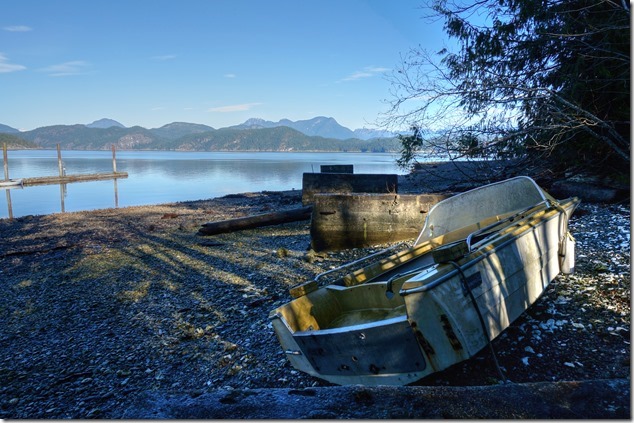
Squirrel Cove – wrecks and ruins, both abandoned and left to decay
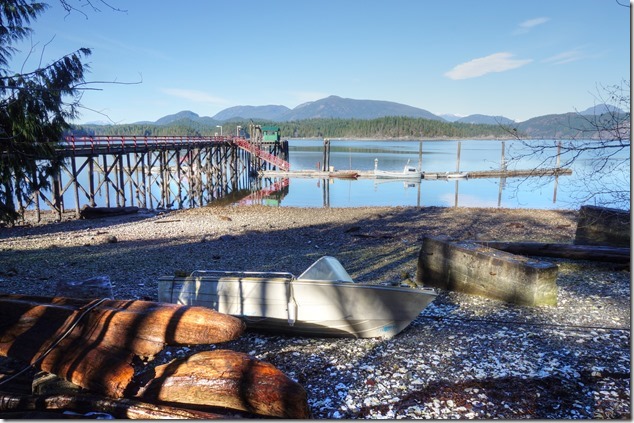
The industrial history of British Columbia’s coast has left scars on the landscape,and a vast assortment of junk and debris including the remains of old docks, cars and trucks and heavy equipment that were left to rust, and the foundations of old buildings and factories.
That’s the way things were once done – when something was worn out just leave it on the beach or in the forest, as there was no money in transporting an old boat, or hauling an old truck out of the forest and then onto a barge. There was really no where to take most things, other than a larger steel ship that could be salvaged.
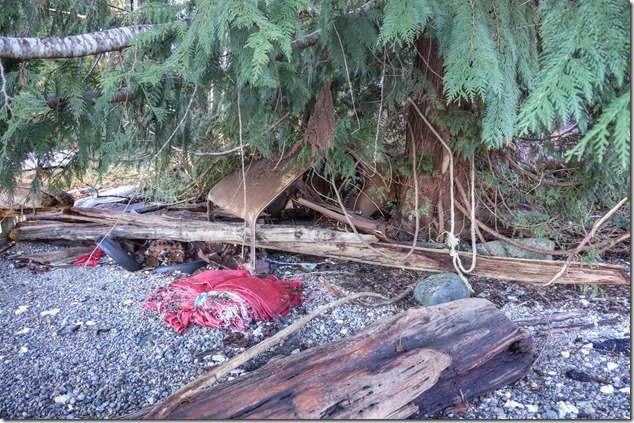
The process continues, with many boats and canoes left on the shores when the owners just walk away from them. Sad, but true – as is the fact that the local and provincial governments have neither the money or the will to deal with the problem.