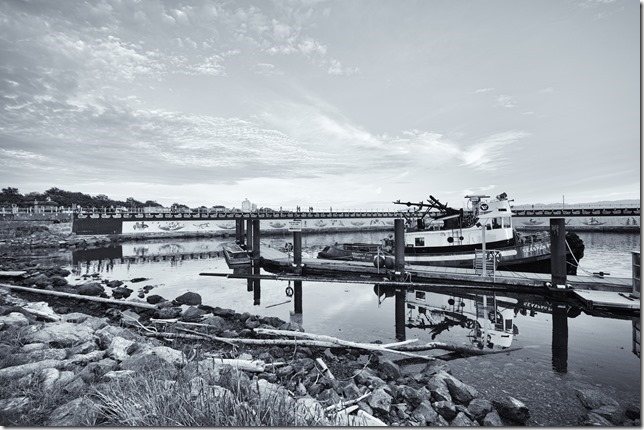
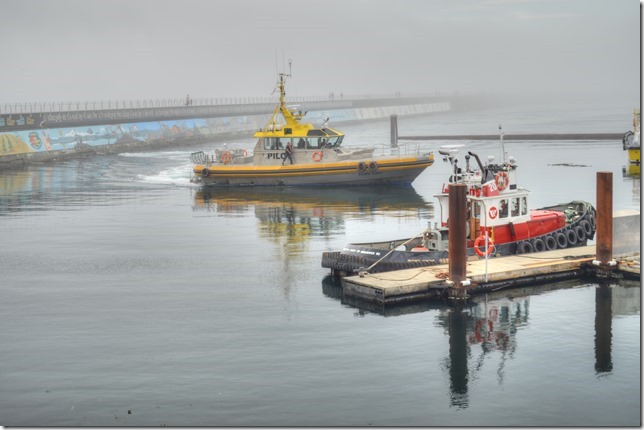
I’ve always had a fondness, or perhaps a bit of a fascination, with train engines, fish boats, and tugs. The tugs because of their raw power and maneuverability that combines to allow them to position a log boom, a barge, or a cruise ship with great precision.
That and the simple fact that they are quite pretty…
A look at what is usually beneath the waters of Comox Lake
Comox Lake has a long history of logging, as a source of water for the Puntledge Generating Station, and as the source of domestic water for the Comox Valley. In late summer the water level drops dramatically, revealing tree stumps and a barren landscape that is normally beneath the water.
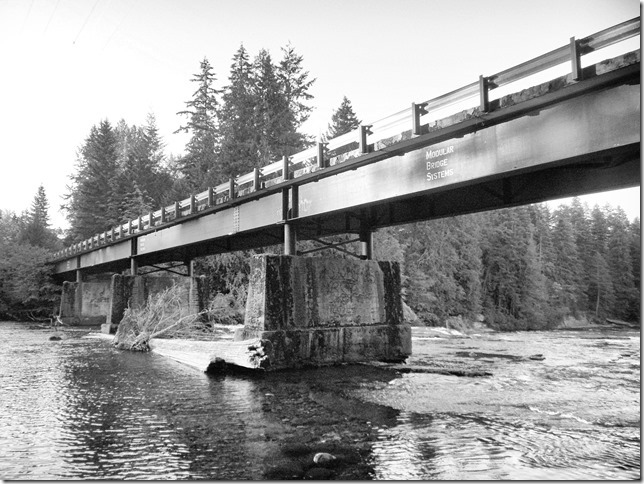
The Duncan Bay Main logging road bridge over the Puntledge River – just upstream of Stotan falls. This is a popular Comox Valley swimming spot, but also one that became embroiled in controversy when 3L Developments, the owner of the river decided to charge a toll to access it by vehicle and on foot…
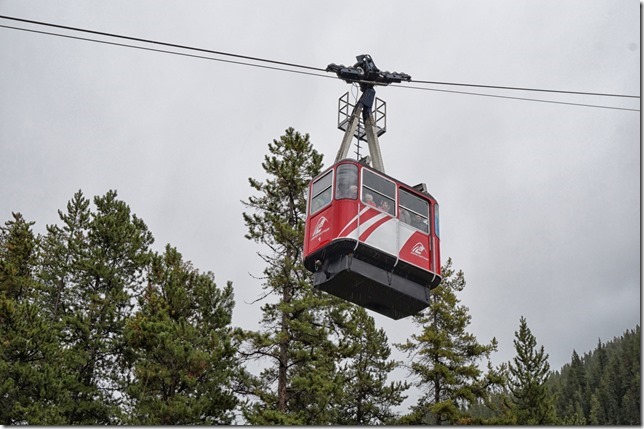
The weather was pretty lousy when we rode the Jasper Skytam – living on the west coast we’re no strangers to rain, but rain and cold is a nasty combination. It was a cool ride, nonetheless.
Looking up…
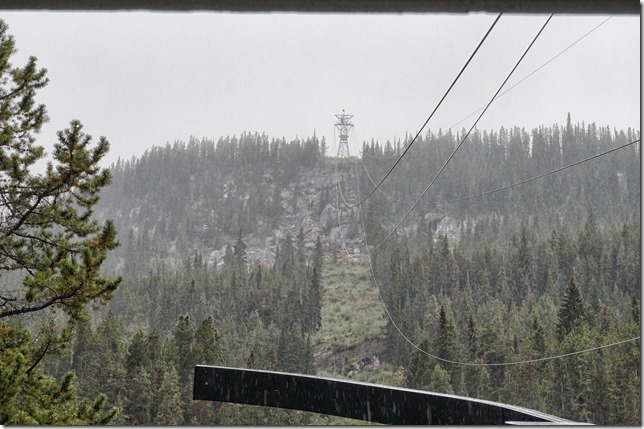
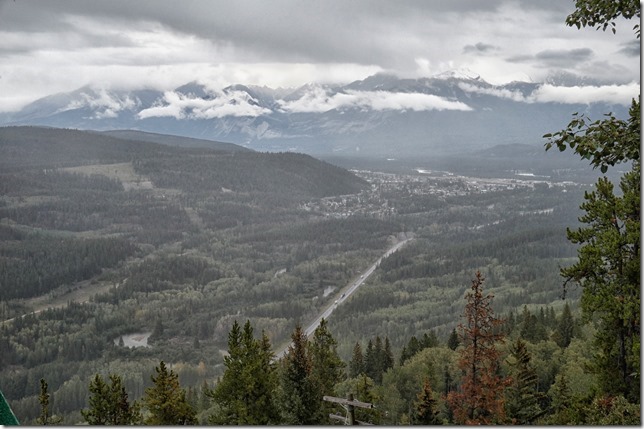
Looking down…
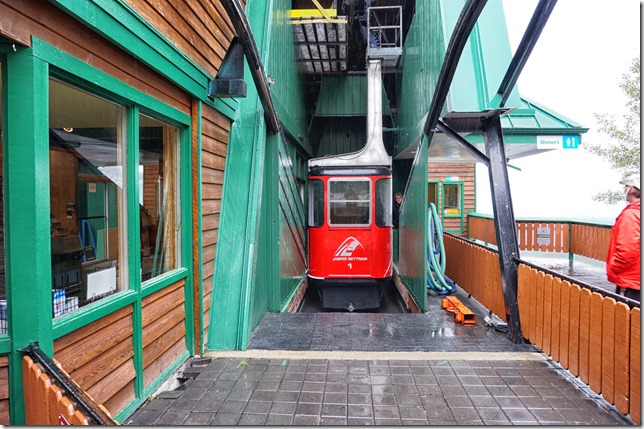
A tram car at the top
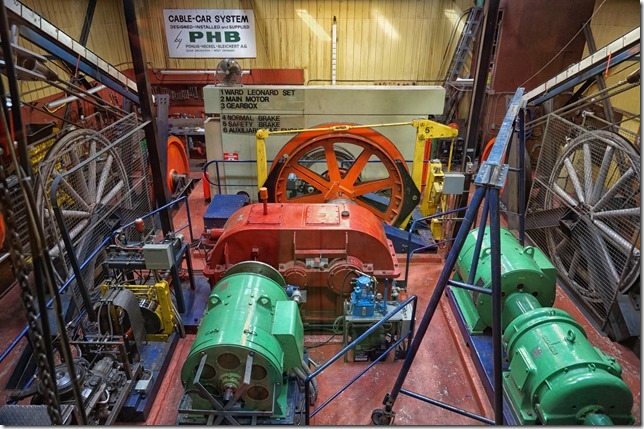
The engines that make it move…
Being interested in such things, I really enjoy knowing how the things I travel on work. Unfortunately, details about the Jasper SkyTram machinery are hard to find. I’d like to know how many horsepower the engines develop, the height of the towers, length of the cables and all that cool stuff.
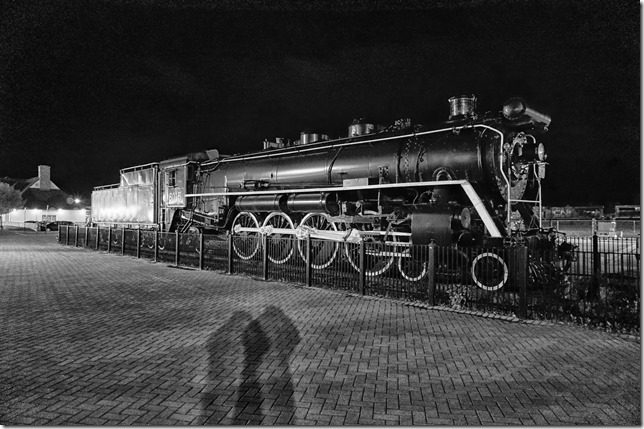
In Early 1922, the Canadian National Railway ordered sixteen “Mountain” type locomotives from Canadian Locomotive Company.
Designated as Class U-1-a, the locomotives were delivered in 1923 and assigned road numbers 6000 through 6015. These locomotives had 26 x 30 cylinders, 73″ drivers, a 210 psi boiler pressure and exerted 49,588 lbs of tractive effort. They weighed 354,110 lbs and were used on express passenger trains between Montreal and Toronto.