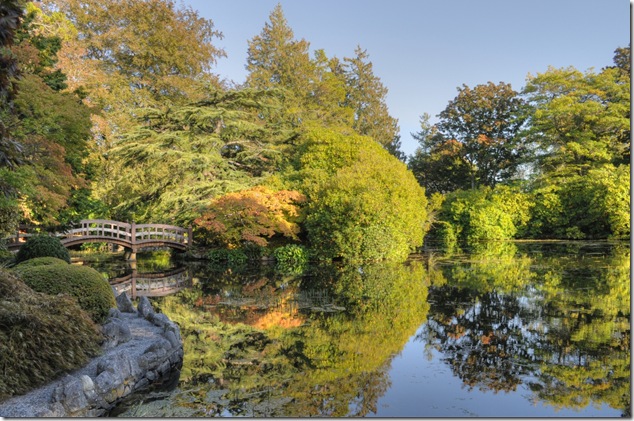
Maple leaves – a symbol of Canada and a sign of fall…


Maple leaves – a symbol of Canada and a sign of fall…

In 1951 George William Dorman and his brother Fred opened their Brechin sawmill at Departure Bay near the B.C. Ferry terminal in 1951. In 1957 George started a small chipper mill on Stewart Avenue, a neighbouring property owned by one of his friends. When a fire consumed the Brechin sawmill burned down in 1958, George expanded the chipper mill it to a full scale sawmill. The mill operated until 1985.

The Dorman mill is long gone, but it’s not the only visible change in Departure Bay – the BC Ferries terminal has evolved and expanded over the years.
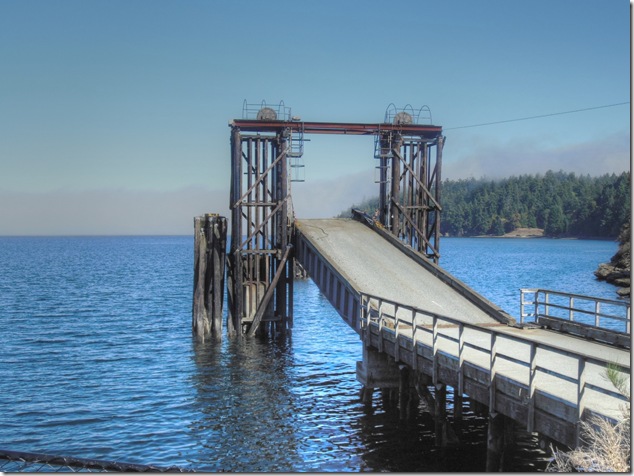

Before the BC Ferry Corporation took over services, Departure Bay was served by the Black Ball Ferries Kahloke and Chinook. On June 15, 1960 B.C. Ferry Corporation ran its first ferry from Departure Bay to Horseshoe Bay
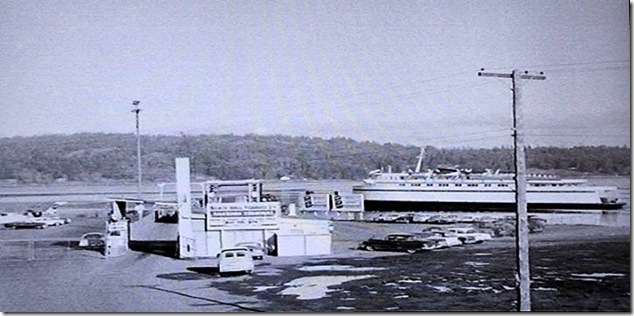
Black Ball ferry MV Chinook II at Departure Bay.

Above, the Black Ball ferry Kahloke at Departure Bay in the 50’s at a dock that still sits in the exact same location and is Berth #2 in the current configuration of Departure Bay terminal.

Departure Bay terminal in 1979
Although we call the ferry terminal the Departure Bay Terminal, it and the sawmill site are located at the bottom of Brechin Hill.
and now you know…

The Queen of Cowichan at the BC Ferries terminal in Departure Bay
The Queen of Cowichan is one of the five double-ended, roll-on/roll-off C-Class ferries (also known as Cowichan Class) ferries built by BC Ferries between 1976 and 1981. The ferries were extensively upgraded between 2003 and 2006 to add a extend their operational life by a further 20 years.
The Queen of Coquitlam and Queen of Cowichan were constructed in 1976, and the Queen of Surrey and Queen of Oak Bay in 1981. The Queen of Alberni was also constructed in 1976 along with the first two C-class vessels. Although considered to be a C-class vessel, it was originally designed to carry only over height (truck) traffic but in 1984, an upper car deck was installed for 150 non-over height vehicles. Queen of Alberni has a capacity of 292 cars and 800 passengers and crew, and has a maximum service speed of 19 knots.
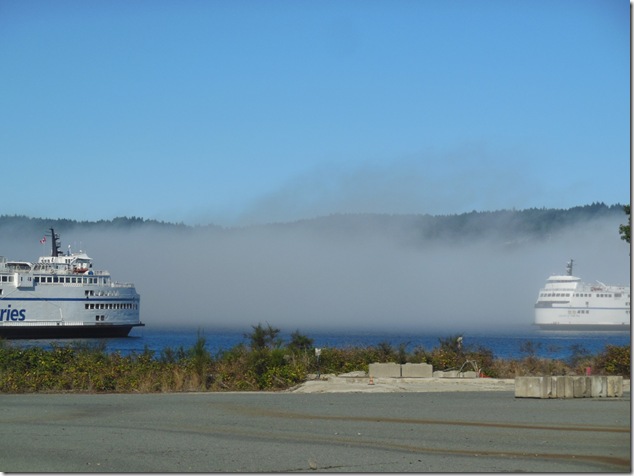
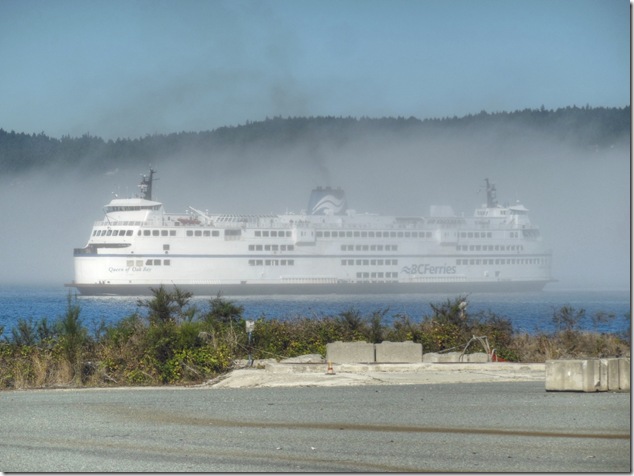
BC Ferries Queen of Oak Bay approaching the Departure Bay terminal on a foggy day

The last cars to use the old east approach to the Johnston Street Bridge
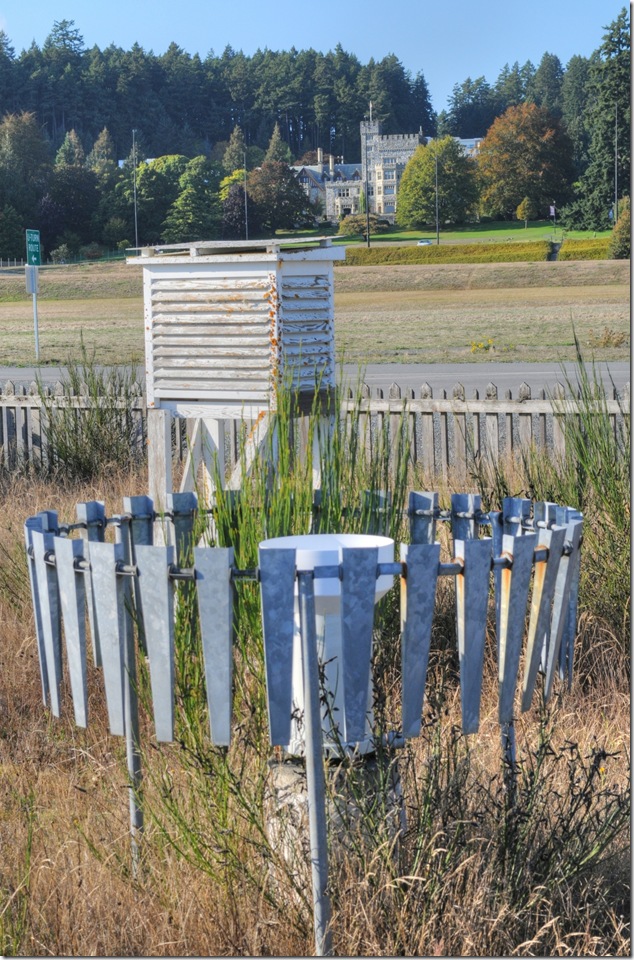
The Meteorological Station at Royal Roads is a bit of a mystery for me, as it looks like it is no longer maintained and would be incapable of collecting meteorological data.
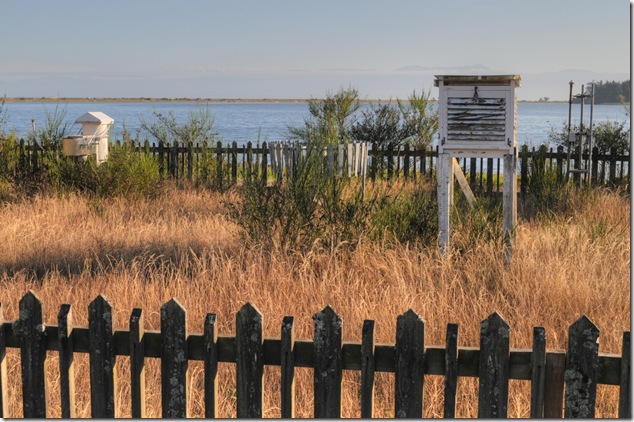
Although the station is situated on the shore of the Esquimalt Lagoon, it is sheltered from the Juan de Fuca Strait by the Coburg Peninsula – it’s a unique micro climate.
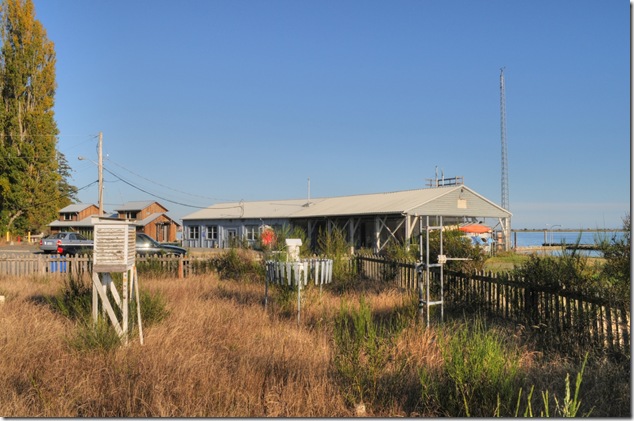
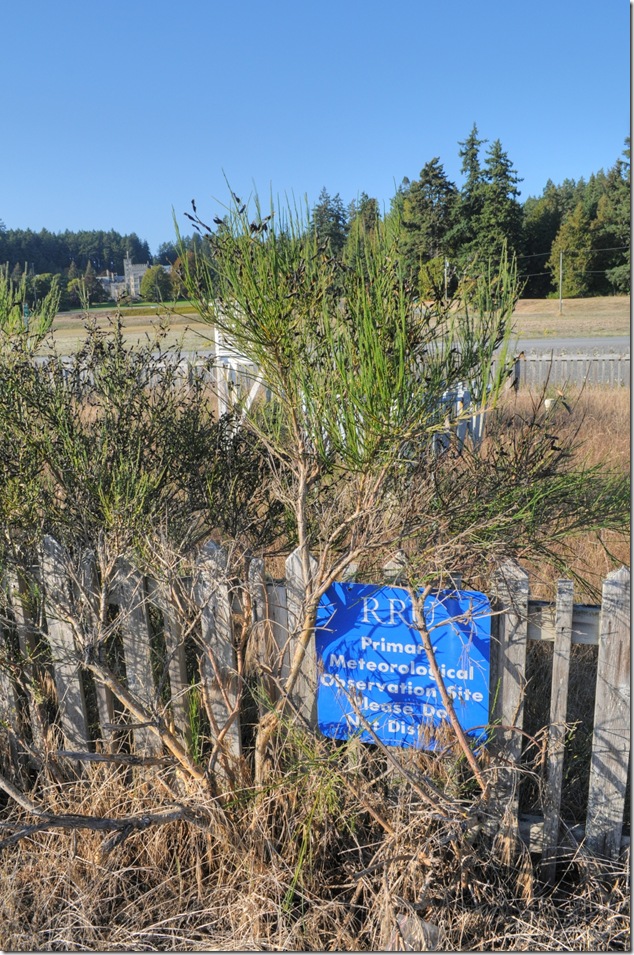
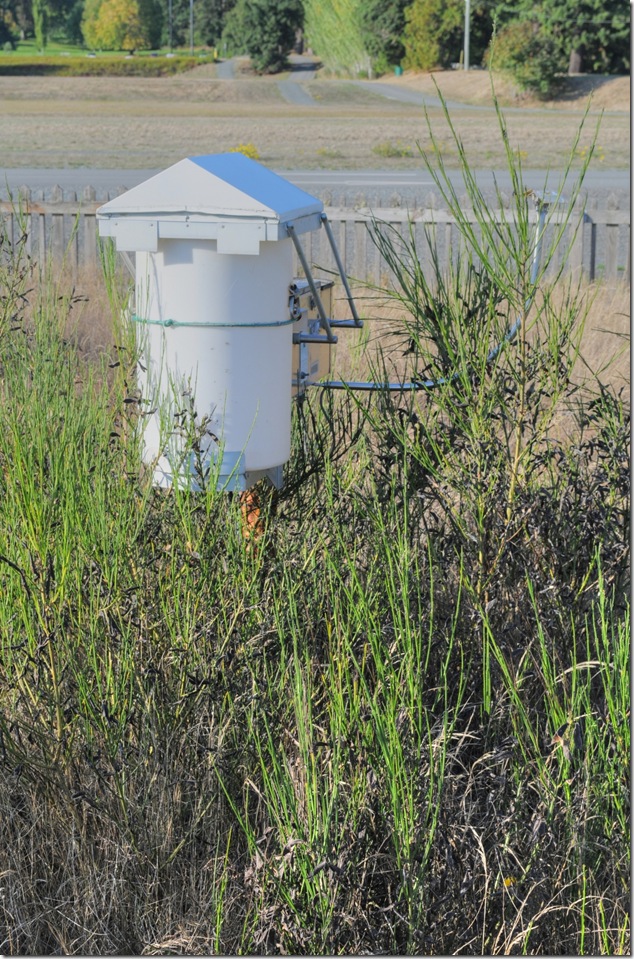
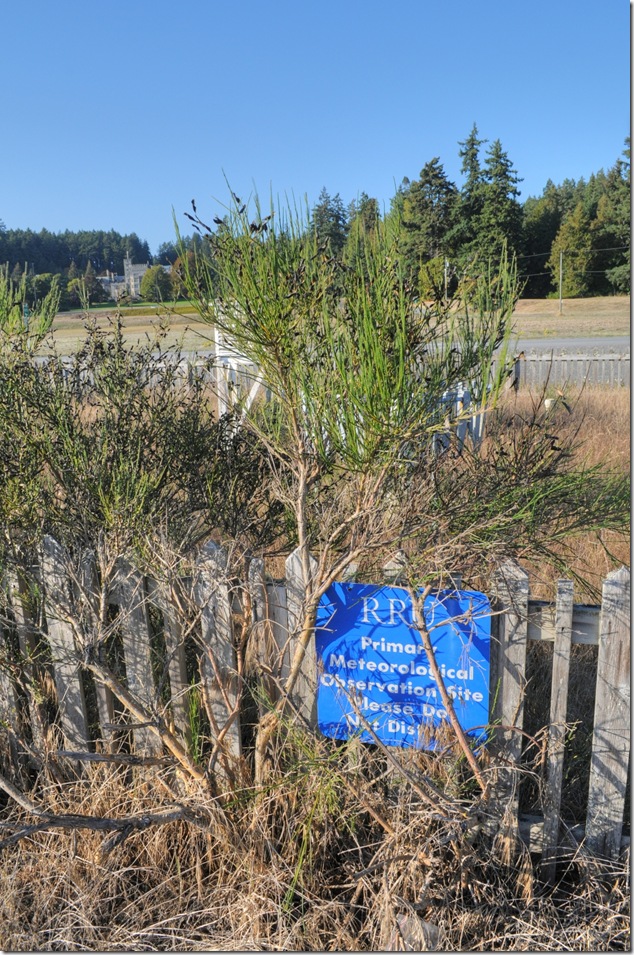
The meteorological station is equipped to measure particulate matter, precipitation, temperature, humidity, wind speed and wind direction.
An air chemistry project at Royal Roads University used the meteorological station to monitor and test precipitation and particulate matter to provide air quality data for the Georgia Basin Ecosystem Initiative. The project sought to determine the source of the low pH precipitation values found on Vancouver Island, compare the meteorological station data with other stations found in the Victoria area.
 &
&

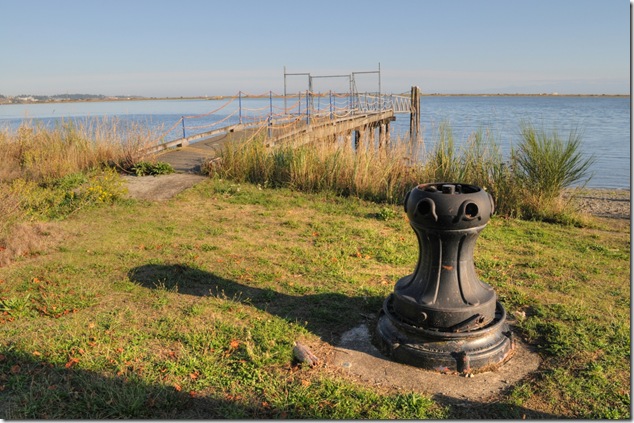
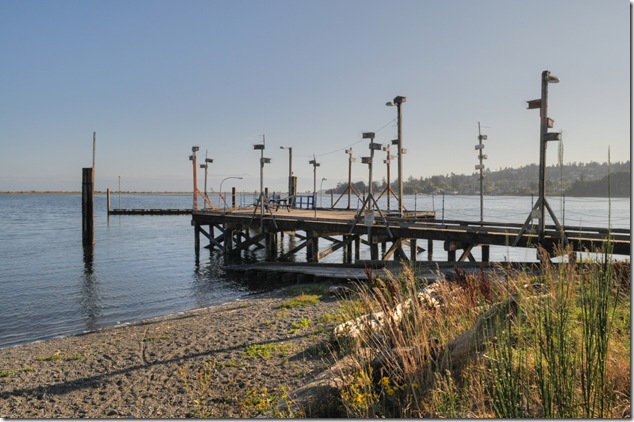
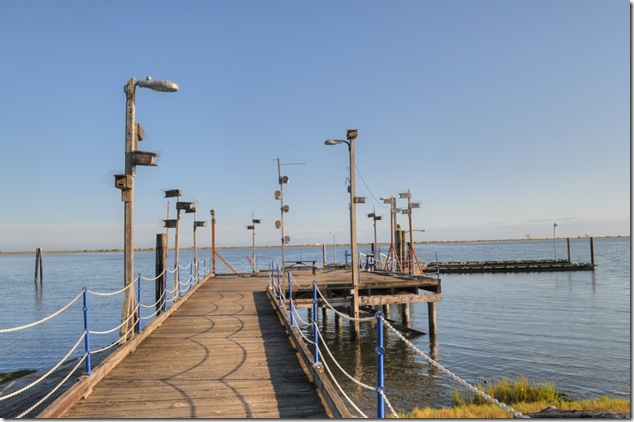
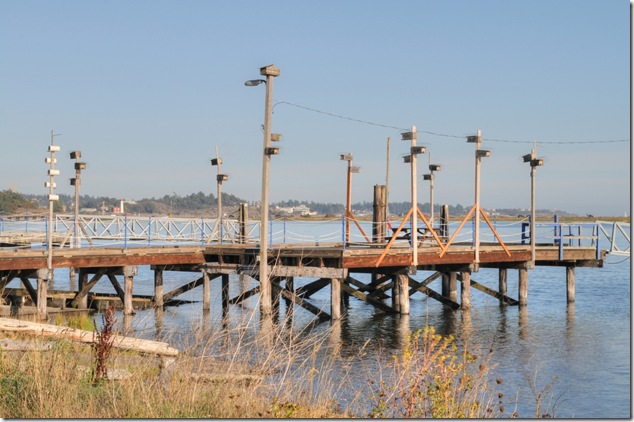
Some of the best views of the Coburg Peninsula and the Esquimalt Lagoon can be had from behind the Royal Roads boat house – it’s a rather sad area though to see the once busy docks that were full of boats and bustling with activity.
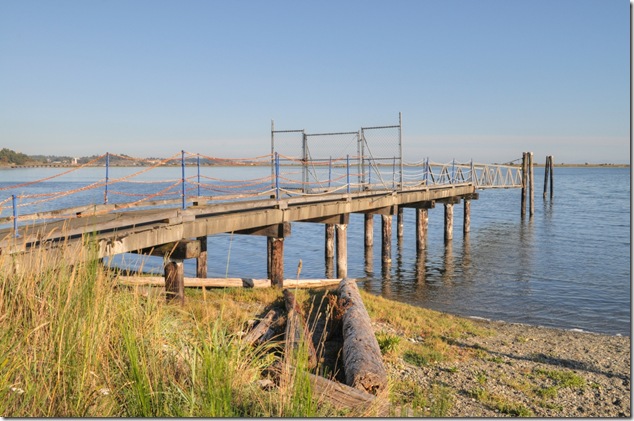
The lagoon is federally-designated migratory bird sanctuary, protected from the Salish Sea (Strait of Juan de Fuca) by the peninsula.


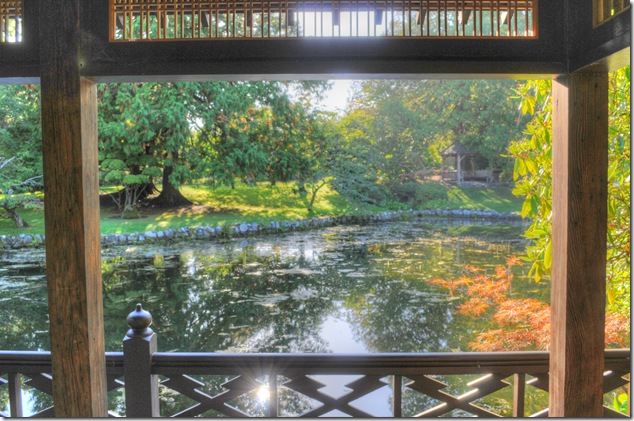
The Japanese stroll garden at Hatley Park was designed by Isaburo Kishida, a Ko-en (park) designer from Yokohama. Work on the garden began in 1909, with completion the following year.
and now you know…
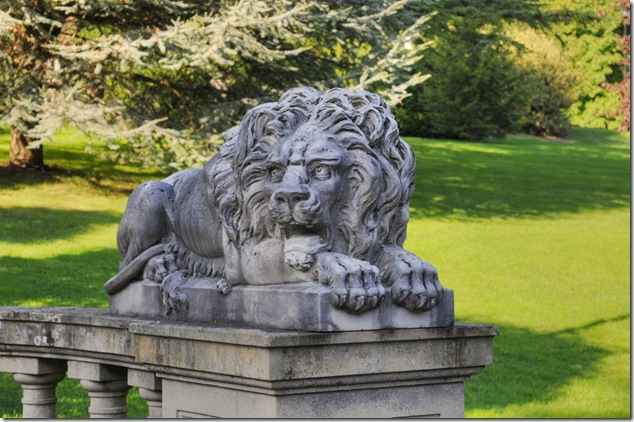
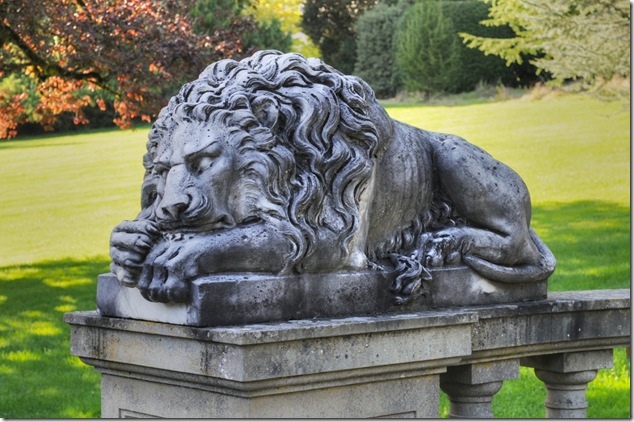
The lions at Hatley Park – one roaring, one sleeping…
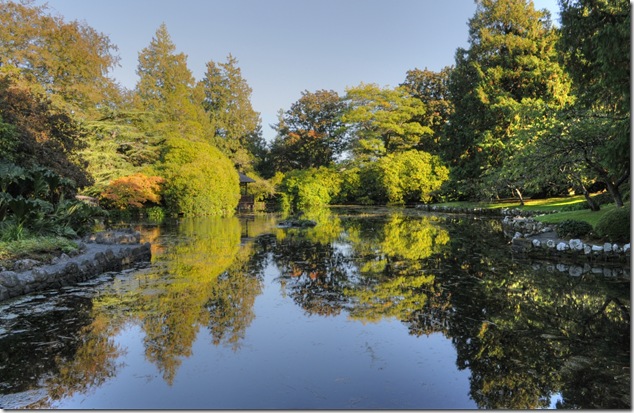
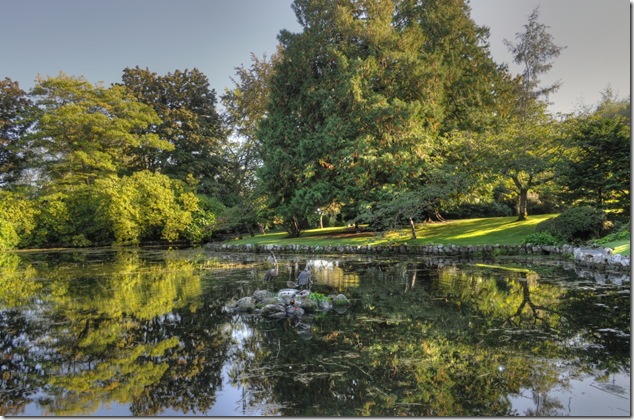
The pond in the Japanese Gardens at Hatley Park National Historic Site